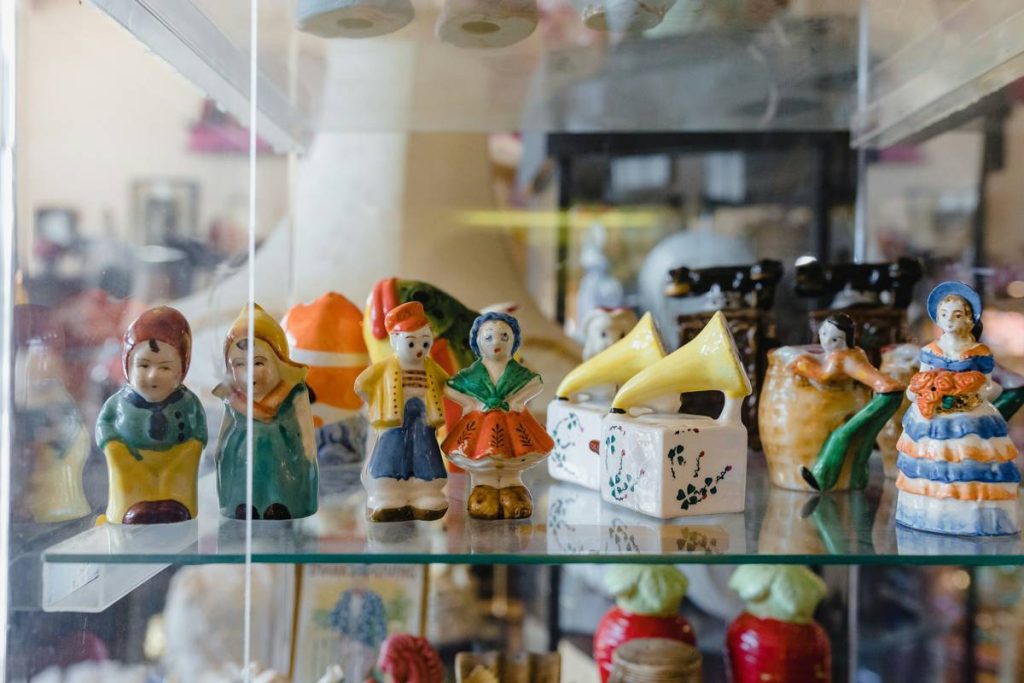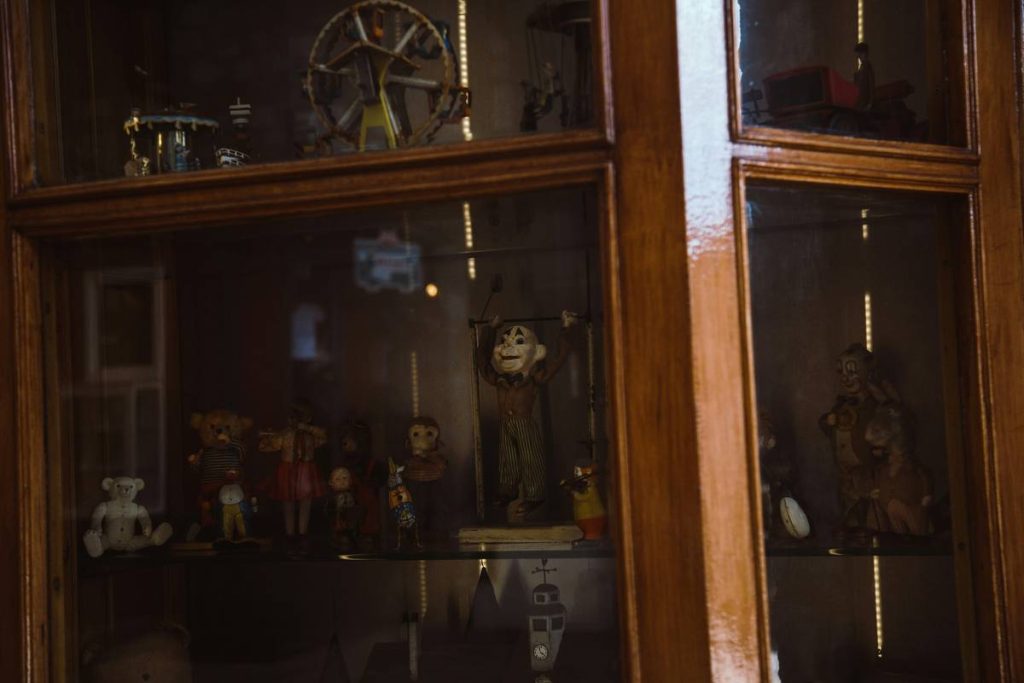
Ever rediscovered a childhood baseball glove tucked in the attic—only to find it crumbling from humidity and dust? Or unearthed your grandma’s wedding photos, now yellowed and brittle from sun exposure? You’re not alone. According to the Library of Congress, up to 70% of personal memorabilia degrades within 20 years if improperly stored.
If you’re reading this, you care deeply about preserving irreplaceable memories—not just storing them, but displaying them with dignity. This guide is your blueprint for doing exactly that. You’ll learn how to choose the right memory preservation display case, what materials actually protect (not harm) your keepsakes, step-by-step setup techniques I’ve refined over 12 years as a home decor specialist, and real mistakes to avoid—like the time I used adhesive foam tape on antique silk and cried actual tears.
By the end, you’ll confidently build or curate a display that safeguards your legacy while turning cherished objects into daily sources of joy.
Table of Contents
- Why Memory Preservation Displays Matter
- Step-by-Step: How to Create a Memory Preservation Display Case
- Pro Tips for Long-Term Preservation & Aesthetic Impact
- Real-World Example: Grandma’s War Mementos—Done Right
- FAQ: Memory Preservation Display Case How To
Key Takeaways
- Not all “display cases” preserve—many accelerate damage due to UV light, acidic materials, or poor sealing.
- Use museum-grade materials: acid-free backing, UV-filtering acrylic, and inert adhesives.
- Climate control isn’t optional—it’s critical. Ideal conditions: 65–70°F, 45–55% relative humidity.
- Rotate items seasonally to minimize light exposure and refresh emotional connection.
- DIY is viable, but only if you follow archival standards—skip the dollar-store shadowbox!
Why Memory Preservation Displays Matter
Let’s be brutally honest: stuffing heirlooms into plastic tubs “for safekeeping” is preservation theater. It looks responsible but often isn’t. Light, heat, humidity, pollutants, and even the wrong glue can silently destroy paper, fabric, metal, and leather.
I learned this the hard way when restoring my great-uncle’s WWII dog tags and letters. I proudly mounted them in a $20 craft store shadowbox—only to find mold blooming behind the glass six months later. Why? Non-breathable backing trapped moisture, and the cardboard mat was packed with lignin (a wood pulp acid). The letters survived the Battle of the Bulge… but not my enthusiasm.
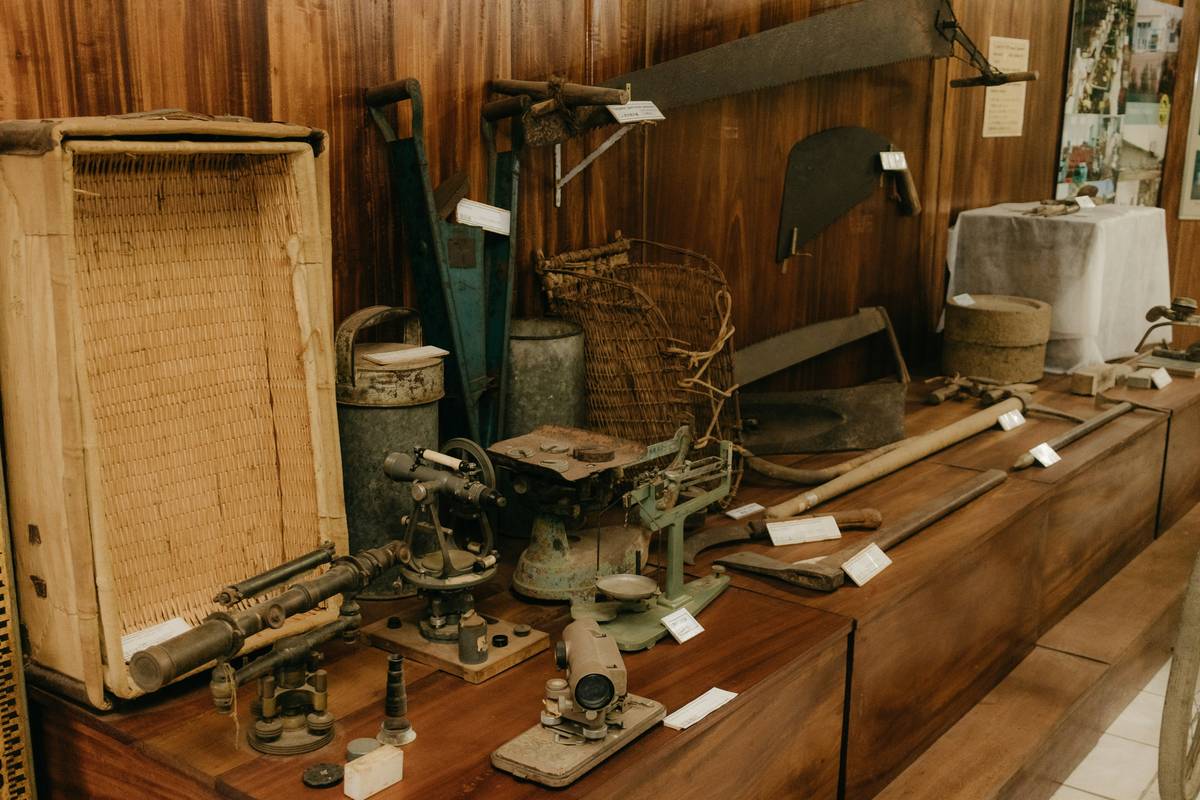
The Smithsonian Institution emphasizes that proper display isn’t vanity—it’s stewardship. When done right, a memory preservation display case protects against:
- Light damage: UV rays break down dyes and fibers.
- Acid migration: Poor-quality boards leach acids into photos and documents.
- Physical stress: Improper mounting causes tears or creases.
- Pollutants: Off-gassing from paints, woods, or plastics corrodes metals.
Step-by-Step: How to Create a Memory Preservation Display Case
How do I choose the right case?
Optimist You: “Any glass box will do!”
Grumpy You: “Ugh, fine—but only if coffee’s involved… and you promise not to use a fish tank.”
Seriously: prioritize sealed, gasket-lined cases with UV-filtering acrylic (not standard glass). Brands like Reiche or Tru Vue® Museum Glass meet archival standards. For DIYers, repurpose an old picture frame—but seal seams with acid-free tape and replace backing with museum board.
What materials should I NEVER use?
Here’s a “terrible tip” disclaimer: **Do NOT use rubber cement, duct tape, foam core board, or laminated mats.** These off-gas volatile organic compounds (VOCs) that discolor and embrittle items. I once saw a 1920s baptismal gown turn brown overnight thanks to “memory-safe” spray adhesive that was anything but.
How do I mount fragile items safely?
For paper: use Japanese tissue paper hinges with wheat starch paste (reversible, pH-neutral). For textiles: stitch to unbleached muslin with cotton thread—never pin directly! Metals? Float them on ethafoam cradles. Every object type demands a tailored approach.
Should I control temperature and humidity?
Absolutely. Invest in a calibrated hygrometer. Keep displays away from radiators, windows, and bathrooms. In humid climates, add silica gel desiccant packs (replace quarterly). Trust me—your grandkid’s prom ticket deserves better than mildew.
Pro Tips for Long-Term Preservation & Aesthetic Impact
- Rotate exhibits seasonally. Limit light exposure by swapping items every 3–6 months. Store backups in acid-free folders inside archival boxes.
- Layer lighting carefully. Use LED strips with no UV output (look for 2700K–3000K color temp). Never spotlight directly—bounce light off matte white surfaces.
- Label thoughtfully. Write context on acid-free cardstock with pigment-based ink. Include dates, names, and stories—future generations won’t know who “Uncle Sal” was.
- Dust without touching. Use a soft sable brush or microfiber cloth over the acrylic—never spray cleaners near the case.
- Honor negative space. Crowded displays stress both items and viewers. Three meaningful objects beat ten cluttered ones.
Real-World Example: Grandma’s War Mementos—Done Right
Last year, a client brought me her grandmother’s WWII nurse memorabilia: dog tags, handwritten letters, a faded Red Cross pin, and a tiny embroidered handkerchief. She’d kept them in a cedar chest for decades—only to find the pin tarnished and fabric brittle.
We designed a custom wall-mounted case using:
- Tru Vue® Conservation Clear acrylic (blocks 99% UV)
- 4-ply 100% cotton rag museum board (pH 8.5)
- Ethafoam supports shaped to cradle each item
- Silica gel reservoir hidden in the base
Result? Six months later, zero degradation—and her kids now pause by it every morning with coffee. “It’s not a shrine,” she said. “It’s a conversation starter about courage.” That’s the power of preservation done right.
FAQ: Memory Preservation Display Case How To
Can I use a regular picture frame?
Only if modified. Replace the backing with acid-free board, remove any acidic mats, and seal gaps with linen tape. Standard frames lack UV protection and climate buffering.
How much does a proper preservation case cost?
DIY with archival materials: $50–$120. Custom museum-grade: $200–$600+. Worth every penny for irreplaceable items.
Are plastic display cases safe?
Depends. Acrylic is excellent if it’s UV-filtering. Avoid polystyrene or PVC—they emit harmful gases. Look for “archival-safe” or “museum-grade” labeling.
How often should I check on my display?
Monthly. Look for condensation, fading, or pests. Refresh silica gel every 3 months in humid areas.
Can I preserve digital prints?
Yes—but use pigment-based inks on cotton rag paper. Dye-based inks fade rapidly, even behind glass.
Conclusion
A memory preservation display case isn’t just furniture—it’s a time capsule with emotional gravity. By choosing the right materials, controlling environmental threats, and mounting with archival care, you transform fragile relics into resilient legacies.
Start small: pick one item that matters most. Preserve it properly. Then let that success fuel your next project. Because in 50 years, someone will stand before your display—and feel connected to you in a way no photo album can replicate.
Like a Tamagotchi, your memories need daily care—or they vanish forever.
Haiku:
Fragile threads of time,
Glass shield guards love’s worn relics—
Dust motes dance in grace.