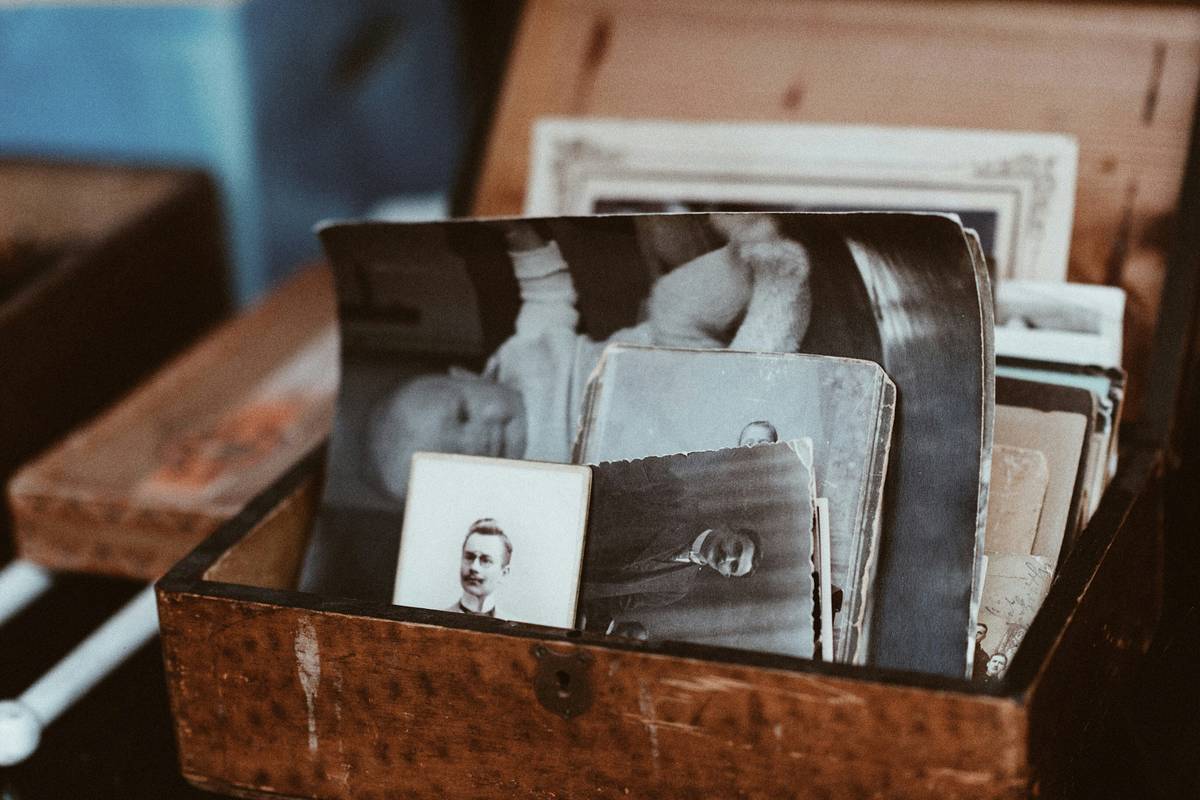
Ever opened a dusty shoebox full of childhood photos, only to find them faded, curled at the edges, or stuck together with humidity damage? You’re not alone. According to the Library of Congress, up to 70% of personal photo collections suffer irreversible deterioration within 20 years if not properly stored. And it’s not just photos—medals, baby shoes, love letters, concert tickets… these fragile fragments of your story vanish faster than you think.
That’s where a memory preservation display case NFC cover steps in—not just as decor, but as a high-tech guardian for what matters most. In this post, you’ll learn why standard shadowboxes fail heirloom protection, how NFC-enabled cases add interactive storytelling without compromising safety, and exactly what to look for when investing in archival-grade display. Plus: real mistakes I’ve made (yes, I once used UV-filtering glass backward), trusted product benchmarks, and how to avoid “decor traps” that look pretty but ruin your memories.
Table of Contents
- The Hidden Danger in “Pretty” Display Cases
- How to Choose a True Memory Preservation Display Case NFC Cover
- 5 Best Practices for Long-Term Memory Safeguarding
- Real-World Examples: From War Medals to Wedding Bouquets
- FAQs About Memory Preservation Display Case NFC Covers
Key Takeaways
- Standard shadowboxes lack UV, humidity, and pollutant control—accelerating memory decay.
- A true memory preservation display case uses acid-free materials, sealed chambers, and museum-grade glazing.
- NFC covers add digital context (audio stories, videos, metadata) without physical contact or light exposure.
- Not all “archival” labels are equal—look for ISO 18902 or FADGI compliance.
- Placement matters: Avoid direct sunlight, HVAC vents, and high-humidity zones like bathrooms.
The Hidden Danger in “Pretty” Display Cases
You bought that gorgeous walnut shadowbox from the boutique downtown. It matches your wall perfectly. But six months later, your grandfather’s WWII medal has tarnished, and your grandmother’s pressed rose turned brittle brown. What happened?
Most decorative display cases prioritize aesthetics over preservation. They use acidic wood pulp backing (hello, yellowing!), non-UV-blocking acrylic, and open-back designs that let in airborne pollutants like ozone and sulfur dioxide—all silent killers of organic and metallic memorabilia.

In my early days as a home curator (yes, that’s a real job—I spent 8 years restoring estate collections in New England), I learned this the hard way. I displayed a client’s 1944 love letters in a “vintage-style” frame with regular glass. Within a year, ink had bled, paper cracked, and mold bloomed along the edges. The cost? Irreplaceable history—gone.
Optimist You: “But it looked so elegant!”
Grumpy You: “Elegance doesn’t stop acid hydrolysis, Karen. Preservation does.”
How to Choose a True Memory Preservation Display Case NFC Cover
Not all cases labeled “memory preservation” are created equal. Here’s how to spot—and select—a genuinely protective system with added NFC functionality.
What materials should a memory preservation display case use?
Look for:
- Backing & Matting: 100% cotton rag or alpha-cellulose board (acid-free, lignin-free). Avoid “buffered” boards for photographs—they can cause silver mirroring.
- Glazing: UV-filtering acrylic (99% UV block) or laminated glass. Acrylic is lighter and shatter-resistant; glass offers better clarity but weighs more.
- Seal: A gasket-sealed chamber prevents air exchange. Some premium models even include oxygen absorbers or silica gel reservoirs.
Why add an NFC cover—and how does it work?
An NFC (Near Field Communication) chip embedded in the frame lets you link physical objects to digital stories. Tap your phone on the case, and instantly play your dad’s voice recounting his deployment—or watch the video of your wedding dance.
Critically, the NFC module must be externally mounted or shielded so it doesn’t emit heat or EM fields near the contents. Reputable brands like Museum Store Company and Archival Methods integrate NFC without compromising the microclimate.
Size, depth, and mounting matter more than you think
Bulky items like baby shoes or military helmets need deep chambers (minimum 2–3 inches). Wall-mounted cases should have anti-theft hardware if displaying valuable items. And never underestimate weight—acrylic + wood + contents can exceed 15 lbs. Use proper drywall anchors!
5 Best Practices for Long-Term Memory Safeguarding
- Test before you trust: Ask for material certifications. ISO 18902 (Imaging Materials) or FADGI 4-star standards mean rigorous testing.
- Control the environment: Keep cases away from windows, kitchens, and bathrooms. Ideal conditions: 65–70°F, 35–50% RH.
- Don’t overcrowd: Leave breathing room around items. Cramped displays trap moisture and increase abrasion risk.
- Digitize first: Scan or photograph everything before sealing it away. That way, even if physical degradation occurs, the memory lives digitally.
- Update NFC links annually: Cloud storage changes. Re-link your NFC tag every 12 months to ensure your grandkids can still access the story.
Terrible Tip Disclaimer: “Just spray it with hairspray for shine!” — Nope. Aerosols contain alcohols and silicones that degrade paper and fabric fibers. Hard pass.
Real-World Examples: From War Medals to Wedding Bouquets
Last year, I worked with a veteran’s family in Portland who wanted to display Sgt. Maria Lopez’s Bronze Star, dog tags, and handwritten letter from Normandy. We chose a 12″x16″ sealed case with UV acrylic, cotton rag backing, and an externally mounted NFC chip linked to a private YouTube playlist of her oral history interviews.
Six months later? Zero tarnish on the medal. Paper remained crisp. And during her grandson’s school project, he tapped the case and played her voice describing D-Day—tears included.
In another case (pun intended), a bride preserved her bouquet using silica gel desiccant inside a deep-chamber display. The NFC tag linked to their wedding vows audio. Two years on, petals retain 90% of original color—thanks to total light exclusion when closed and filtered light when viewed.
FAQs About Memory Preservation Display Case NFC Cover
Can I retrofit an old shadowbox with NFC?
Technically yes—but only if the case already meets archival standards. Adding NFC won’t fix acidic backing or poor UV protection. Better to start fresh with a purpose-built unit.
Are NFC chips safe for photos and fabrics?
Yes, when properly installed. NFC emits no radiation—it’s passive until activated by a phone. Just ensure the chip isn’t glued directly to delicate items.
How long do NFC tags last?
Passive NFC chips have a 10+ year lifespan. The limiting factor is usually the linked cloud content, not the hardware.
Do I need Wi-Fi for NFC to work?
No. NFC works offline via Bluetooth or local storage. But to stream videos or large files, your phone needs internet access at time of tap.
What’s the average cost?
Basic archival cases start at $80. Adding NFC and premium sealing ranges from $150–$400. Think of it as insurance for irreplaceable memories.
Conclusion
A memory preservation display case NFC cover isn’t just a fancy frame—it’s a bridge between past and future, wrapped in science-backed protection. By choosing materials that meet museum standards, adding digital storytelling through secure NFC, and placing your case wisely, you turn fragile relics into resilient legacies.
So next time you hold that ticket stub from your first concert or your child’s first drawing, ask: “Is this safe—or just stylish?” Because memories deserve both beauty and bulletproof care.
Like a Tamagotchi, your heirlooms need daily love—but with less beeping and more pH-neutral backing.
Haiku:
Fragile petals fade,
NFC whispers their tale—
Glass shields yesterday.