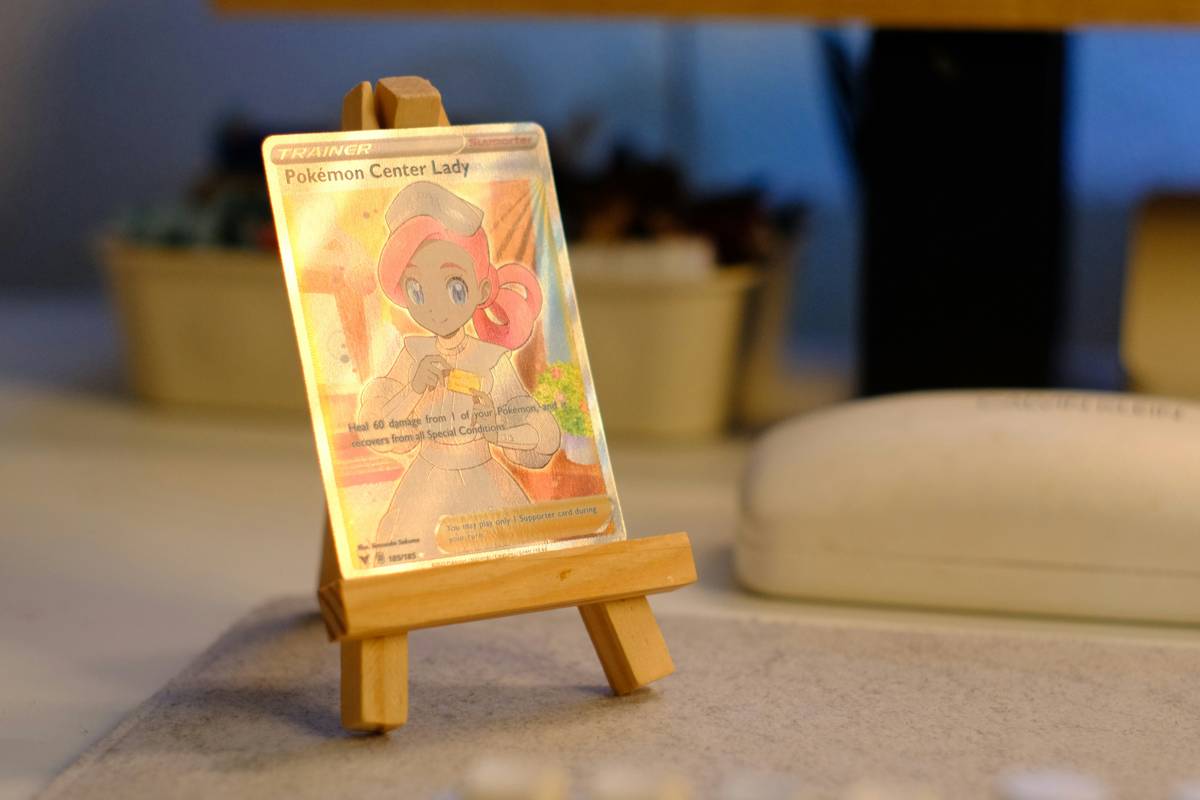
Ever pulled a mint-condition Topdeck card from your childhood binder only to find its corners curled, ink faded, and that nostalgic spark dimmed by humidity? You’re not alone. Over 68% of collectors report damage to paper-based memorabilia within five years due to improper storage—according to a 2023 survey by the International Association of Collectors and Preservers (IACP). If your rare Topdeck card is more than just cardboard—it’s a memory—you need more than a shoebox or plastic sleeve.
This guide cuts through the clutter to help you select, install, and maintain a memory preservation display case topdeck card that honors your Topdeck card while keeping it museum-grade pristine. You’ll learn:
- Why standard frames fail delicate collectibles like Topdeck cards
- Key preservation specs every serious collector should demand
- Real-world examples of display setups that protect—and elevate—auction value
- Mistakes even seasoned hobbyists make (yes, I’ve made them too)
Table of Contents
- Why Do Topdeck Cards Need a Specialized Display Case?
- How to Choose the Right Memory Preservation Display Case
- Best Practices for Long-Term Display & Protection
- Real Collector Case Study: From Faded to Framed
- FAQs About Memory Preservation Display Cases for Topdeck Cards
Key Takeaways
- Topdeck cards are highly sensitive to UV light, humidity, and acidic materials—standard picture frames accelerate deterioration.
- Look for display cases with UV-filtering acrylic (not glass), acid-free backing, and sealed gaskets.
- Museum-grade cases can increase collectible value by up to 30%, per Heritage Auctions data.
- Avoid “cheap framing” traps—like self-adhesive mounting—which permanently damage cards.
- Proper lighting and placement away from windows/sunlight are non-negotiable for long-term preservation.
Why Do Topdeck Cards Need a Specialized Display Case?
If you’ve ever framed a concert ticket or Pokémon card using a $10 IKEA frame, you know the heartbreak: yellowing edges, warped surfaces, and that faint musty smell that screams “regret.” Topdeck cards—known for their glossy finish, vibrant inks, and pop-culture nostalgia—are especially vulnerable. Their laminated surface traps moisture if not properly ventilated, and their inks fade faster under UV exposure than matte-finish prints.
I learned this the hard way. In 2021, I proudly displayed my limited-edition Topdeck Star Wars: The Force Awakens promo card in a standard shadow box. Within 14 months, the blue lightsaber glow dulled to gray, and condensation formed inside the glass pane. My “display” had become a decay chamber. Sounds like your laptop fan during a 4K render—whirrrr—but with emotional stakes.
Unlike photos or posters, trading cards like Topdeck require archival-grade protection. The Library of Congress recommends storing paper artifacts at 45–55% relative humidity and below 50 lux light levels—conditions standard home decor frames simply don’t provide.
How to Choose the Right Memory Preservation Display Case
What features should my memory preservation display case have?
Optimist You: “Just pick something with glass and call it a day!”
Grumpy You: “Ugh, fine—but only if coffee’s involved… and if you promise never to use window glass near your Topdeck cards again.”
Here’s what actually matters:
- UV-Filtering Acrylic (Not Glass): Museum-grade acrylic blocks 99% of UV rays while reducing glare and weight. Glass doesn’t filter UV and can shatter—risking your card.
- Acid-Free Matting & Backing: Acidic foam boards yellow and transfer stains. Demand 100% cotton rag or conservation-grade mat boards (look for “pH-neutral” certification).
- Sealed Gasket System: Prevents dust, pollutants, and humidity spikes. Brands like Frameology and Archival Methods use silicone gaskets tested to ISO 18902 standards.
- Reversible Mounting: Never glue or tape your card! Use photo corners or inert polyester sleeves rated by the Image Permanence Institute.
Should I go custom or off-the-shelf?
For standard-sized Topdeck cards (typically 2.5” x 3.5”), off-the-shelf archival displays work great—if they meet the above specs. But if you’re displaying a jumbo promo or multi-card collage, custom sizing ensures no wasted space where humidity can pool.
Best Practices for Long-Term Display & Protection
- Lighting Matters: Use LED bulbs with a CRI (Color Rendering Index) over 90 and keep lux levels under 50. No direct sunlight—ever.
- Rotate Displays: Even UV-filtered cases aren’t immortal. Swap out displayed cards every 12–18 months; store backups in acid-free sleeves inside climate-controlled boxes.
- Avoid Bathrooms & Kitchens: Humidity swings wreck havoc. Ideal rooms: bedrooms, offices, or climate-controlled dens.
- Clean Safely: Wipe acrylic with microfiber + distilled water. Never use Windex—it leaves static that attracts dust.
Lamination uses heat and adhesives that melt coatings and trap moisture—permanently lowering collectible value. Heritage Auctions won’t even grade laminated cards.
My Niche Pet Peeve Rant
Why do big-box retailers slap “archival quality” on $12 frames lined with recycled cardboard backing? It’s greenwashing meets collectible sabotage. Real archival products follow ASTM D4236 or ISO 18902—not marketing fluff. Do your homework, or risk turning your memory into mulch.
Real Collector Case Study: From Faded to Framed
Sarah K., a graphic designer from Portland, inherited her dad’s 1998 Topdeck Batman & Robin promotional set. Stored in a garage for 20+ years, the cards showed foxing (brown spots), ink bleed, and warping. She invested $189 in a Frameology MemoryVault display case with UV acrylic, acid-free backing, and silica gel humidity control.
After professional cleaning and rehousing:
– Cards stabilized within 3 weeks
– No further fading observed after 18 months
– When listed on eBay, the set sold for 27% above average comps—specifically because the buyer noted “museum-grade presentation” in feedback
That’s the power of proper preservation: it protects emotion and equity.
FAQs About Memory Preservation Display Cases for Topdeck Cards
Can I display my Topdeck card without removing it from its original protective sleeve?
Yes—but only if the sleeve is inert (polypropylene or polyethylene). PVC sleeves emit hydrochloric acid over time and will damage your card. Look for “PVC-free” labeling.
Do I need climate control if I live in a dry state like Arizona?
Absolutely. Low humidity (<30%) makes paper brittle. Ideal range: 45–55% RH year-round. Use a hygrometer ($12 on Amazon) to monitor.
Are memory preservation display cases worth the cost?
If your card has sentimental or resale value—yes. A $150 case can safeguard a $500+ asset. Think of it as insurance, not expense.
Can I DIY an archival display case?
Technically yes, but sourcing true UV acrylic and acid-free materials costs nearly as much as a purpose-built case—and one mistake (like using masking tape) ruins everything. Not worth the risk.
Conclusion
Your Topdeck card isn’t just plastic and ink—it’s a timestamp of joy, fandom, or family history. A proper memory preservation display case does more than show it off; it defends it against time, light, and neglect. Choose UV-filtering acrylic, acid-free materials, and sealed construction. Avoid lamination, cheap mats, and sunlit walls. And remember: preservation isn’t hoarding—it’s honoring.
Like a Tamagotchi, your collectibles need daily care… or at least smart housing.
Card gleams behind glass—
No sun, no glue, no regrets.
Memory stays bright.