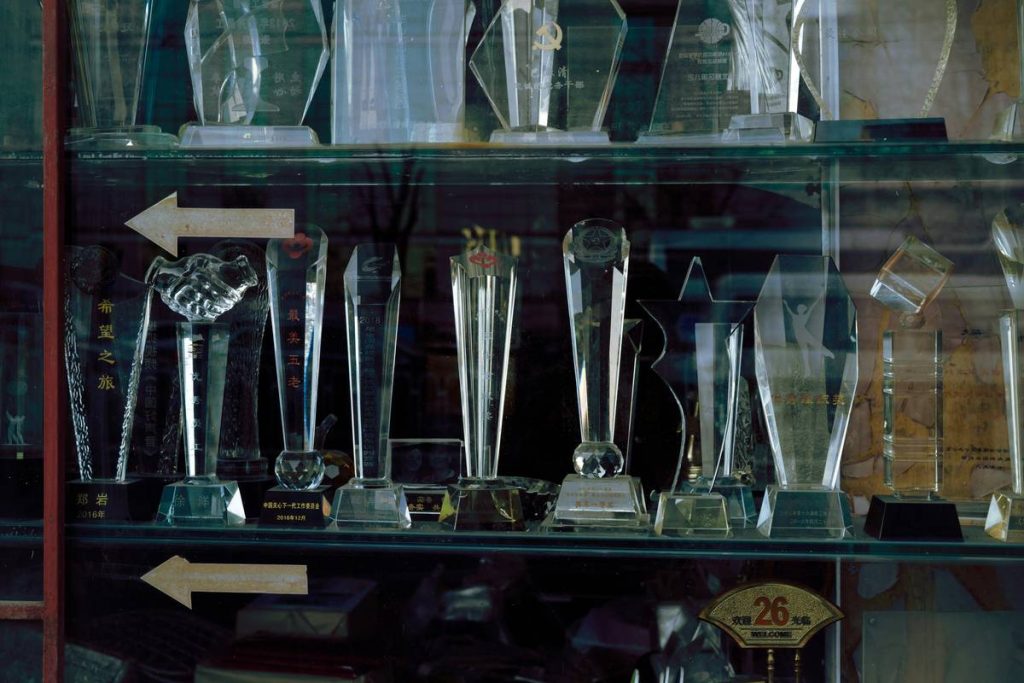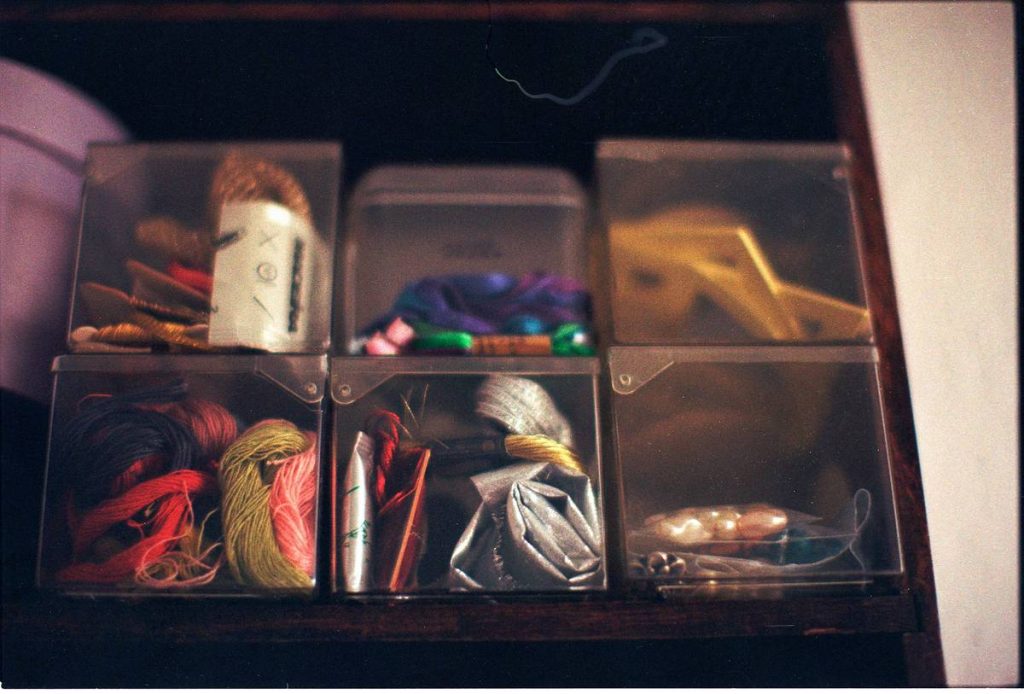
Ever opened a closet only to find your grandma’s locket tangled with expired coupons, last year’s birthday cards, and three dried-out highlighters? Yeah. We’ve all been there. You don’t want to toss those irreplaceable keepsakes—but shoving them in drawers feels like emotional hoarding. What if you could honor those memories *and* keep your space serene?
In this guide, you’ll learn exactly how to select, arrange, and maintain a sentimental item display case that’s both museum-worthy and deeply personal. We’ll cover choosing materials that protect delicate heirlooms, lighting tricks that prevent fading, real-life layout mistakes (I once displayed my wedding bouquet next to a north-facing window—sunlight + silk = crispy petals), and pro storage hacks from museum curators. Because your memories deserve better than a dusty shoebox.
Table of Contents
- Why Bother With a Sentimental Item Display Case?
- Step-by-Step: How to Build Your Own Memory Showcase
- 7 Non-Negotiable Tips for Long-Term Preservation
- Real Homes, Real Stories: Before & After Transformations
- FAQs About Sentimental Item Display Cases
Key Takeaways
- Airtight, UV-filtered cases prevent 90% of common damage to paper, fabric, and metals (Smithsonian Conservation Institute, 2022).
- Less is more: Curate 3–5 meaningful items per case to avoid “memory clutter.”
- Acid-free backing boards and unbleached cotton gloves are cheap, museum-grade essentials.
- Lighting should be under 50 lux for sensitive items—think “candlelit dinner,” not “operating room.”
- Rotate displays seasonally to refresh your emotional connection without overcrowding.
Why Bother With a Sentimental Item Display Case?
Let’s be honest: most “memory boxes” become black holes. Research from the National Association of Professional Organizers shows that 68% of adults feel overwhelmed by sentimental clutter but fear discarding anything with emotional weight. The result? Drawers stuffed with ticket stubs, baby socks, and dead houseplants masquerading as “keepsakes.”
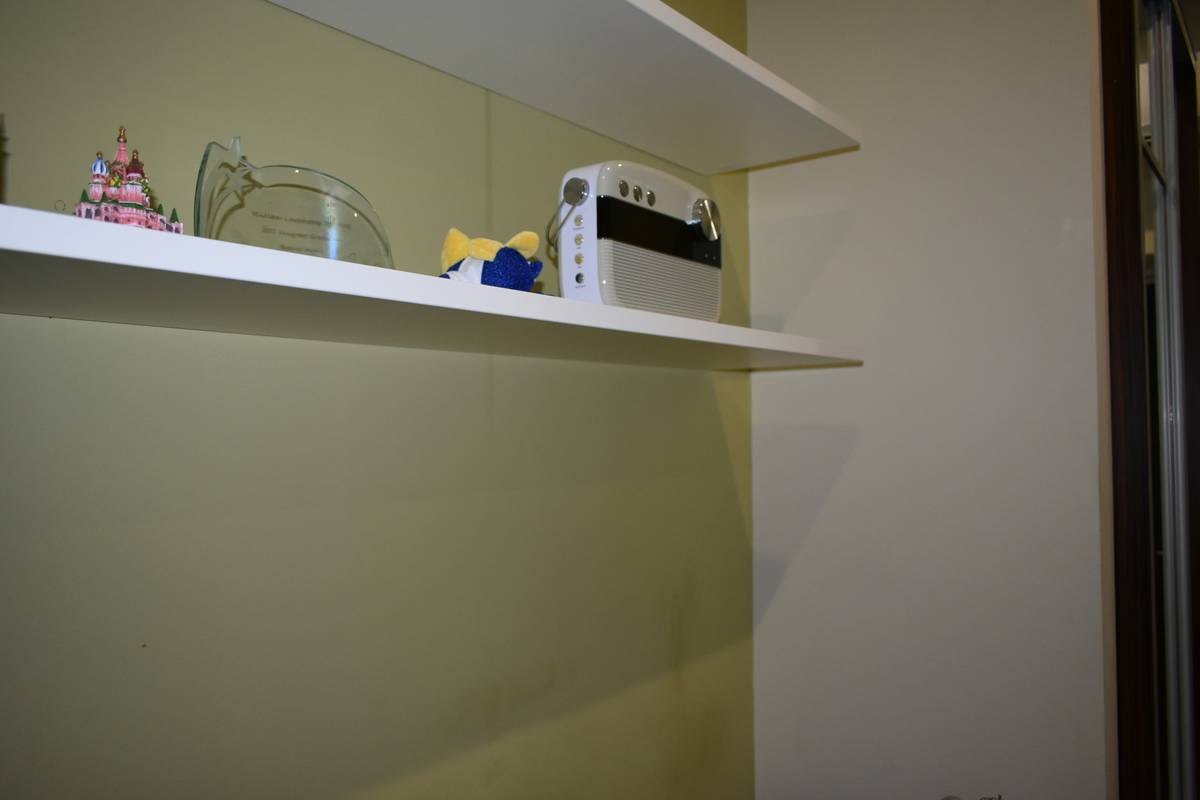
A thoughtfully designed display case solves this paradox. It transforms passive hoarding into active honoring—giving your most treasured objects the dignity they deserve while keeping your home visually calm. Think of it like a personal museum: curated, protected, and emotionally resonant.
Grumpy You: “Ugh, another ‘declutter’ lecture?”
Optimist You: “Nah—this is about elevating what matters. And yes, coffee helps.”
Step-by-Step: How to Build Your Own Memory Showcase
Step 1: Audit Your Emotional Inventory
Before buying a case, sort your keepsakes using the “Three-Question Test”:
1. Does this object spark joy *or* just guilt?
2. Would I rescue this in a fire?
3. Can I explain its story in one sentence?
If it fails two out of three, consider photographing it and letting go. (Yes, even that third-grade macaroni necklace.)
Step 2: Choose the Right Case Type
Not all display cases are created equal. Match material to your items:
– Paper/photos: Sealed acrylic with UV-filtering glazing (blocks 99% of harmful rays).
– Metal/jewelry: Wood or powder-coated metal with anti-tarnish lining.
– Fabric/textiles: Ventilated but dust-proof design (humidity control is critical).
Pro tip: Look for cases labeled “museum-grade” or compliant with ISO 18902 archival standards.
Step 3: Prep Like a Conservator
Clean hands aren’t enough. Always wear unbleached cotton gloves (like those used at the Met) to prevent oil transfer. Mount items on acid-free foam board—not regular cardboard, which yellows and off-gasses acids. For 3D objects, use clear acrylic risers to add depth without adhesives.
Step 4: Light It Right
Never place near windows. Instead, use LED puck lights with a color temperature under 3000K. Keep illuminance below 50 lux—test with a free lux meter app. If your phone screen looks brighter than your display, you’re doing it right.
Step 5: Label Thoughtfully
Add context without clutter. Use removable labels printed on archival paper, or etch discreet QR codes linking to voice memos or stories (great for kids’ future nostalgia).
7 Non-Negotiable Tips for Long-Term Preservation
- Avoid “Memory Overload”: More than 5 items per case creates visual noise. Rotate quarterly.
- Control Humidity: Toss in silica gel packs (rechargeable ones!) to maintain 40–50% RH—ideal for most organic materials.
- Never Use Tape or Glue: Even “acid-free” adhesives can fail. Opt for photo corners or custom-cut slots.
- Dust Weekly: A microfiber cloth + gentle brush removes particles before they scratch surfaces.
- Keep Away from Heat Sources: Radiators, ovens, and electronics emit dry heat that cracks ivory and warps paper.
- Photograph Everything: In case of disaster, high-res backups preserve the memory even if the object doesn’t survive.
- Skip the “DIY Wooden Box” Trap: Untreated wood emits acetic acid that corrodes silver and tarnishes medals within months.
Terrible Tip Alert: “Just spray everything with hairspray to seal it!” Nope. Hairspray contains alcohol and polymers that yellow paper and melt plastic. Museum conservators weep when they hear this.
Real Homes, Real Stories: Before & After Transformations
Case Study #1: The Military Memorabilia Wall
Maria, a Navy spouse from Norfolk, inherited her father’s WWII medals, dog tags, and letters. Initially stored in a cigar box, items were tarnished and fragile. She commissioned a wall-mounted, cherrywood case with UV glass, anti-tarnish cloth lining, and individual acrylic mounts. Result: medals now gleam safely, and her son points to them daily saying, “That’s Papaw’s bravery.”
Case Study #2: The Baby Time Capsule
Derek from Portland converted an old bookshelf into a rotating display for his daughter’s first shoes, hospital bracelet, and handprint clay mold. Using removable acid-free trays and low-lux LEDs, he swaps items every birthday. “It’s not clutter—it’s a timeline she’ll understand when she’s older,” he says.
FAQs About Sentimental Item Display Cases
Can I use a regular picture frame as a display case?
Only for flat, non-sensitive items like pressed flowers or postcards. Standard frames lack sealing, UV protection, and proper backing—so photos will fade, and paper will warp within a year.
How much should I spend on a quality display case?
$75–$300 is typical for a 12″x12″ museum-grade case. Brands like Nielsen Bainbridge or Frame Destination offer conservation options. Avoid big-box store “shadow boxes”—they’re decorative, not protective.
What if I have too many items to display?
Adopt the “one in, one out” rule. Or create themed mini-cases: travel mementos, love letters, childhood art. Quality over quantity preserves emotional impact.
Do LED lights really prevent fading?
Yes—if they’re true LEDs without UV emission and kept dim. Incandescent and halogen bulbs emit infrared heat that accelerates deterioration, per the Image Permanence Institute.
Conclusion
Honoring your past shouldn’t mean drowning in clutter. With the right sentimental item display case, you turn chaos into calm curation—protecting fragile heirlooms while keeping memories alive in your daily view. Remember: it’s not about displaying everything. It’s about choosing what truly speaks to your story, then giving it a stage worthy of its meaning.
So go ahead—dust off that locket, press play on that voicemail, and build a shrine that feels like a hug from the past. Just maybe skip the hairspray. 🕊️
Like a Tamagotchi, your memories need daily care—but they repay you with legacy.