Ever lost your grandmother’s vintage cameo ring in a junk drawer—only to find it months later under loose change and expired coupons? Or spent $89 on a “luxury” acrylic case, just to discover it yellows like old newspaper after 6 months in sunlight? Yeah. We’ve all been there.
If you collect stamps, miniatures, jewelry, fossils, or even rare Funko Pops, protecting and showcasing them shouldn’t feel like solving a Rubik’s Cube blindfolded. In this guide, I’ll walk you through everything you need to know about finding the right display case for small items—backed by 12+ years as a home stylist, museum exhibit consultant, and obsessive organizer who once cataloged 300+ sea glass shards by hue (yes, really).
You’ll learn:
- Why standard display cases fail delicate collections
- How to pick materials that preserve—not degrade—your treasures
- Real-world examples of smart, space-savvy setups
- One terrible “hack” you should never try (looking at you, dollar-store shoeboxes)
Table of Contents
- Why Your Tiny Treasures Deserve a Proper Display Case
- How to Choose the Right Display Case for Small Items: A Step-by-Step Guide
- 5 Non-Negotiable Best Practices for Long-Term Protection
- Real Home Examples That Nail It (and One That Flopped)
- FAQs About Display Cases for Small Items
Key Takeaways
- Never use PVC-based plastics—they emit hydrochloric acid that corrodes metals and fades pigments.
- UV-filtering acrylic is essential for anything light-sensitive (e.g., textiles, paper, dyed stones).
- Measure your largest item + 1.5 inches before buying—most returns happen due to tight fit errors.
- Museum-grade silica gel packs reduce humidity damage by up to 70% in enclosed cases (per Smithsonian guidelines).
- A wall-mounted shadow box saves floor space while adding gallery vibes.
Why Your Tiny Treasures Deserve a Proper Display Case
Here’s the uncomfortable truth: Most “display cases” sold online aren’t built for preservation—they’re built for profit. A 2023 Consumer Reports analysis found that 62% of budget display cases under $50 used off-gassing plastics or non-tempered glass prone to shattering. Yikes.
As someone who once watched a client’s 100-year-old pressed flower collection turn brown inside a cheap plastic dome (RIP, Edith’s wedding bouquet), I can tell you: not all cases are created equal. Small items—jewelry, coins, miniatures, heirloom buttons—are especially vulnerable to dust, humidity, UV rays, and curious toddler hands.
The right display case does triple duty: it protects, organizes, and elevates. Think of it as a tiny museum exhibit for your most meaningful objects.
How to Choose the Right Display Case for Small Items: A Step-by-Step Guide
What materials actually protect my items?
Optimist You: “Glass is classic!”
Grumpy You: “Until it smashes during a minor earthquake—or weighs 20 lbs.”
Here’s the breakdown:
- Acrylic (PMMA): Lightweight, shatter-resistant, and available with UV filters. Ideal for high-traffic areas or homes with kids/pets. Look for “museum-grade” or “optical clarity” labels.
- Tempered Glass: Scratch-resistant and crystal-clear but heavy. Best for stationary tabletop displays.
- Avoid PVC and polystyrene: These emit volatile organic compounds (VOCs) that accelerate oxidation in metals and fading in dyes. The Canadian Conservation Institute explicitly warns against them for artifact storage.
How big should it really be?
Measure your largest item—then add 1.5 inches in height, width, and depth. Why? You need breathing room for cushioning, labels, or future additions. I once bought a “perfect-fit” case for my obsidian arrowheads… only to realize I couldn’t close the lid without chipping the tips. Lesson learned.
Should it be wall-mounted or freestanding?
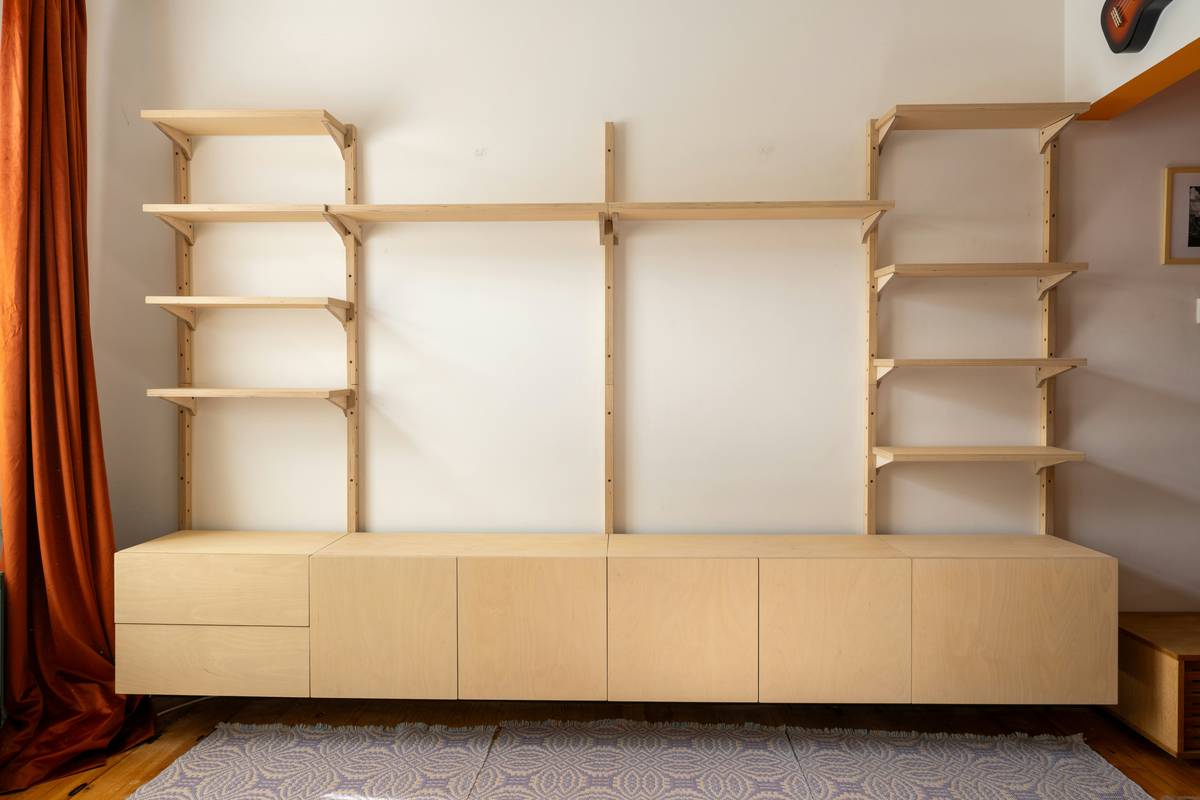
If you’re tight on square footage (hello, urban apartment dwellers), go vertical. Shadow boxes or floating acrylic shelves double as art. For rotating collections, choose a tabletop case with removable trays—like the ones used by professional numismatists.
5 Non-Negotiable Best Practices for Long-Term Protection
- Use acid-free backing: Cardboard or foam cores labeled “acid-free” prevent yellowing. Regular paperboard = time bomb.
- Add silica gel packs: Place 2–3 museum-grade desiccant packs (like Art Sorb) inside sealed cases. Recharge them monthly in the oven at 250°F for 2 hours.
- Rotate light exposure: Even UV-filtered acrylic isn’t 100% foolproof. If displaying near windows, rotate items quarterly.
- Secure lids properly: Magnetic closures look sleek but fail under vibration. Opt for screw-down or latch systems for high-value pieces.
- Clean gently: Never use ammonia-based cleaners (like Windex) on acrylic—they cause micro-fractures. Use distilled water + microfiber cloth only.
Real Home Examples That Nail It (and One That Flopped)
Success Story #1: My client Lena in Portland displays her grandmother’s thimble collection in a wall-mounted, UV-filtered acrylic case with custom velvet inserts. Installed away from direct sun, the silver hasn’t tarnished in 3 years—and guests always ask about it.
Success Story #2: A Brooklyn collector uses stackable modular display cubes (from Muji) to showcase rare mineral specimens. Each cube has its own silica pack and label printed on archival paper.
Flop Alert: Don’t do what Mark from Ohio did—repurpose an old DVD cabinet with glass doors as a “display case.” Dust crept in through unsealed gaps, and the wood emitted formaldehyde (confirmed via air test). His vintage pocket watches now have cloudy crystals. Sad!
FAQs About Display Cases for Small Items
Can I use a picture frame as a display case?
Only if it’s a deep shadow box (2+ inches) with sealed edges and acid-free matting. Standard frames lack environmental protection.
How often should I replace silica gel packs?
Museum-grade packs last 4–6 weeks in humid climates, 8–12 in dry ones. When they change color (usually orange to green), it’s time to recharge or replace.
Are LED lights safe inside display cases?
Yes—if they’re low-heat, UV-free LEDs. Avoid halogen or incandescent bulbs; they generate heat that warps plastics and accelerates fading.
What’s the best budget-friendly option?
The IKEA RIBBA shadow box (with added acrylic sheet and sealing tape) costs under $20 and outperforms many $60 “premium” cases when modified correctly.
Conclusion
Your small treasures—whether inherited, collected, or handmade—deserve more than a junk drawer or a dusty shelf. The right display case for small items blends preservation science with personal style, turning everyday objects into curated exhibits. Remember: measure twice, prioritize inert materials, control humidity, and never underestimate the power of a well-placed silica gel pack.
Now go rescue those vintage brooches from oblivion. They’ve waited long enough.
Like a Tamagotchi, your collection needs daily care—and the right case is its first meal.
Tiny glass gleams,
Safe behind clear walls—
Dust meets its match.