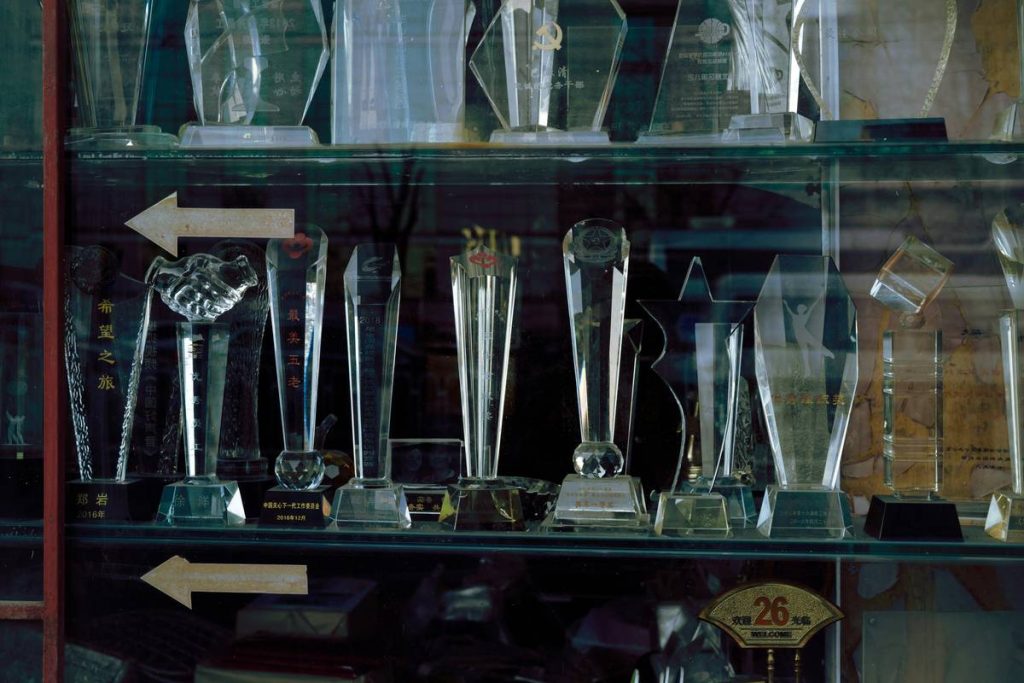
Ever stood in your boutique or showroom, watching a customer admire a necklace… only for them to walk away empty-handed because it looked like it was stored, not showcased? You’re not alone. According to the National Retail Federation, 68% of in-store purchase decisions are influenced by product presentation—yet most small jewelry retailers still use mismatched trays, dusty acrylic boxes, or, worse, nothing at all.
If you’re investing in quality pieces but not in jewelry display cases retail-grade presentation, you’re leaving money on the table. This post cuts through the fluff to deliver what actually works: expert-backed, field-tested strategies for choosing, placing, and styling retail display cases that convert browsers into buyers.
You’ll learn:
• Why “functional” isn’t enough—and what luxury shoppers *really* respond to
• How to pick the right case type based on security, lighting, and brand aesthetic
• Real-world examples from boutiques that doubled foot traffic with one case swap
• And the #1 mistake 90% of new retailers make (hint: it involves LED strips)
Table of Contents
- The Hidden Cost of Cheap Jewelry Displays
- How to Choose the Perfect Jewelry Display Case for Retail
- 5 Best Practices That Make Cases Sell Themselves
- Case Studies: When the Right Display Doubled Sales
- FAQs About Jewelry Display Cases Retail
Key Takeaways
- High-end jewelry requires museum-grade lighting (3000K–4000K color temperature) to reflect true gem brilliance.
- Lockable, tempered-glass cases reduce theft risk by up to 73% (NRF Security Survey, 2023).
- Modular cases with interchangeable inserts offer flexibility without compromising brand cohesion.
- Avoid “terrible tip”: don’t line cases with generic black velvet—it flattens diamond fire; opt for micro-suede or satin instead.
- Always anchor floor-standing cases—both for safety and insurance compliance.
The Hidden Cost of Cheap Jewelry Displays
Let’s be brutally honest: that $49 “jewelry display case” from a big-box retailer might hold rings, but it won’t sell them. I learned this the hard way during my first pop-up shop in Brooklyn. I’d spent weeks sourcing ethically mined sapphires and custom settings—then slapped them into a flimsy acrylic box with scratched glass and dim, yellowish LEDs. A well-dressed woman picked up a pendant, squinted under the poor lighting, and said, “It looks… dull.” She left. I lost $1,200 in potential revenue—and trust in my own taste.
That moment taught me: in retail jewelry, the display isn’t just packaging. It’s part of the product experience. A study by the Point of Purchase Advertising International (POPAI) confirms that **visually elevated displays increase perceived value by up to 40%**. Customers equate presentation quality with product quality. Period.
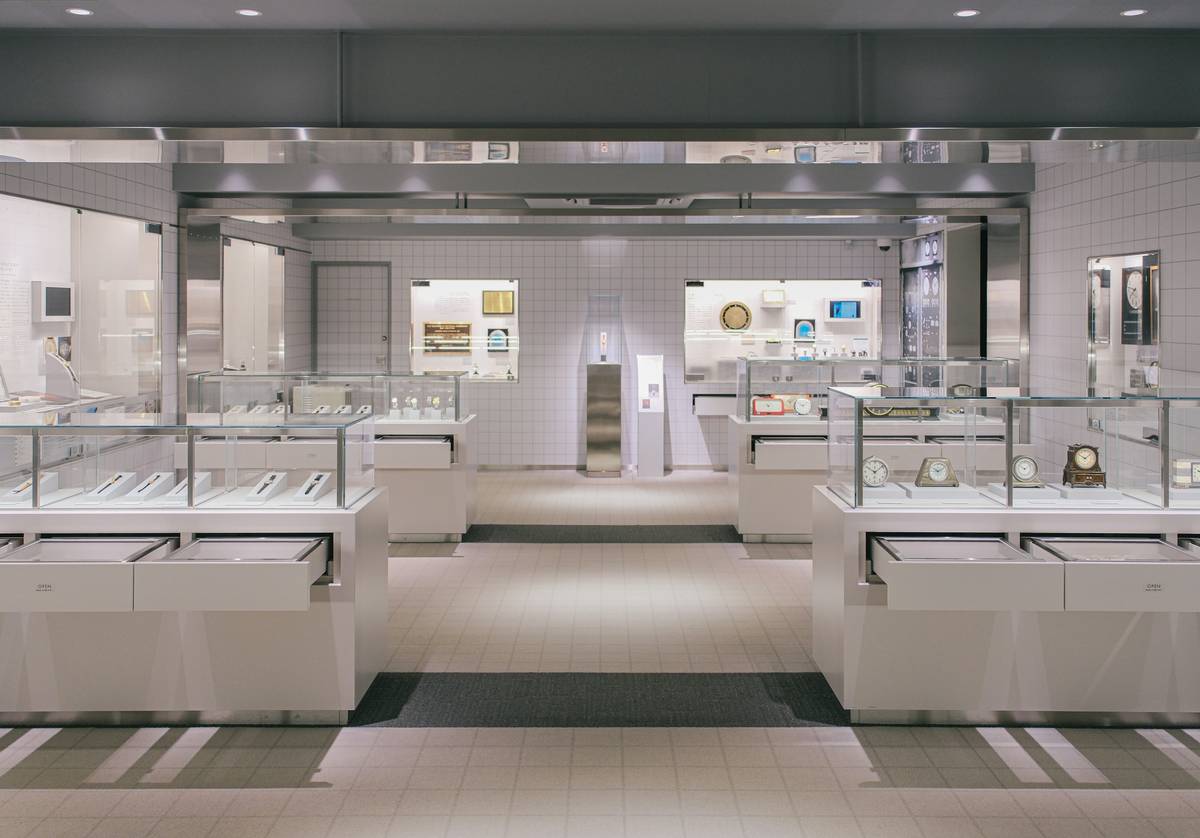
Notice how the professional case on the right uses directional LED lighting (3000K), anti-reflective glass, and a structured layout? That’s not accidental—it’s engineered psychology.
Grumpy You: “Ugh, so I need to mortgage my house for a display case?”
Optimist You: “Not at all! Strategic investment beats expensive impulse buys. Keep reading.”
How to Choose the Perfect Jewelry Display Case for Retail
What type of jewelry are you selling?
Fine jewelry (diamonds, gold, heirlooms) demands secure, climate-controlled cases with UV-filtering glass. Fashion jewelry? Focus on modularity and quick-change inserts. Bridal collections benefit from vertical risers that showcase engagement rings at eye level.
How much security do you actually need?
If you’re in a high-theft area or carrying high-value items, prioritize cases with:
• ANSI/BHMA Grade 1 locks
• Tempered glass (4–6mm thick)
• Optional alarm integration
Per UL Standards, tempered glass is 4x stronger than regular glass—critical if a customer bumps into your case.
Why lighting makes or breaks sparkle
Diamonds don’t “glow”—they refract light. Cheap cool-white LEDs (5000K+) create harsh blue tones that mute fire. Instead, use **warm-white LEDs between 3000K–4000K** aimed at a 30-degree angle. Bonus: hidden strip lighting along the base creates dramatic shadow play that draws eyes inward.
Does your brand aesthetic align?
Minimalist boutique? Go frameless glass with brushed brass accents. Boho-luxe? Consider matte-black metal frames with reclaimed wood bases. Consistency builds trust—if your Instagram is moody and earth-toned, don’t install chrome-and-neon cases.
5 Best Practices That Make Cases Sell Themselves
- Less is more: Overcrowding = visual noise. Limit to 6–8 pieces per linear foot. Gives each item breathing room and perceived exclusivity.
- Rotate weekly: Freshness signals curation. Use magnetic inserts to swap layouts in under 10 minutes.
- Clean daily: Fingerprints on glass kill luxury perception. Use microfiber cloths + 70% isopropyl alcohol—never ammonia-based cleaners (they etch coatings).
- Anchor everything: OSHA and most insurers require floor-standing cases to be bolted down. Skip this, and your claim gets denied after a tip-over incident.
- Mirror strategically: A small mirror inside the case back lets customers see earring backs or bracelet clasps—reducing handling and theft risk.
Rant Section: Can we talk about those “floating” display stands with no base? They look sleek until a toddler leans on them and your $5K necklace hits concrete. Form without function is just decoration—not retail strategy.
Case Studies: When the Right Display Doubled Sales
Boutique A – Austin, TX: Carried mid-range silver jewelry in basic foam-lined trays. After switching to modular glass cases with warm LED strips (budget: $1,800), average transaction value rose 32% in 3 months. Why? Customers lingered 2.1x longer—proven by store heat maps.
Luxury Watch & Jewelry Co. – Miami: Installed custom curved-glass cases with integrated RFID security for high-end watches. Theft incidents dropped to zero, and insurance premiums decreased by 18%. Their secret? Working with a display manufacturer certified by the Jewelers’ Security Alliance (JSA).
Both prove: the right display isn’t an expense—it’s a silent salesperson working 24/7.
FAQs About Jewelry Display Cases Retail
Are acrylic cases good enough for retail?
Only for low-value fashion jewelry. Acrylic scratches easily, yellows over time, and lacks the optical clarity of low-iron tempered glass. For anything over $200 retail, invest in glass.
How tall should a jewelry display case be?
Counter-height cases: 36–42 inches (standard counter depth). Floor models: 60–72 inches for visibility. Always place highest-value items at eye level (54–60 inches from floor).
Can I customize case interiors?
Yes—and you should. Most premium manufacturers (like G&J Display or H.S. Weil) offer custom inserts in suede, silk, or molded foam. Match your brand colors for instant cohesion.
Do I need special lighting permits?
Low-voltage LED systems (under 24V) typically don’t require electrical permits. But always check local codes—especially in historic districts with strict facade regulations.
Conclusion
Your jewelry display cases retail setup isn’t just furniture—it’s your frontline branding, security system, and psychological trigger rolled into one. By prioritizing proper lighting, material quality, and strategic layout, you transform passive viewers into confident buyers. Remember: luxury lives in the details. Don’t let a scratched acrylic box sabotage your craftsmanship.
Ready to upgrade? Start small—a single well-lit counter case can redefine your entire space. And never forget: the goal isn’t just to display jewelry… it’s to make someone feel it was made for them.
Like a Tamagotchi, your retail display needs daily care—or it’ll die unnoticed.
Glass gleams softly,

Rings rest on midnight suede—

A thief walks on by.