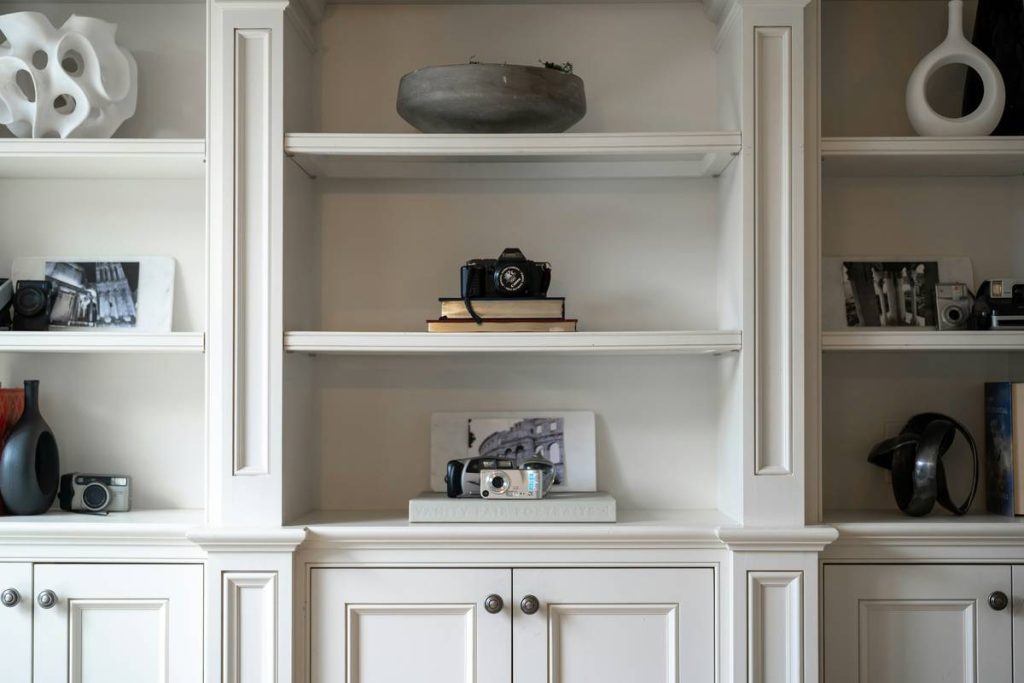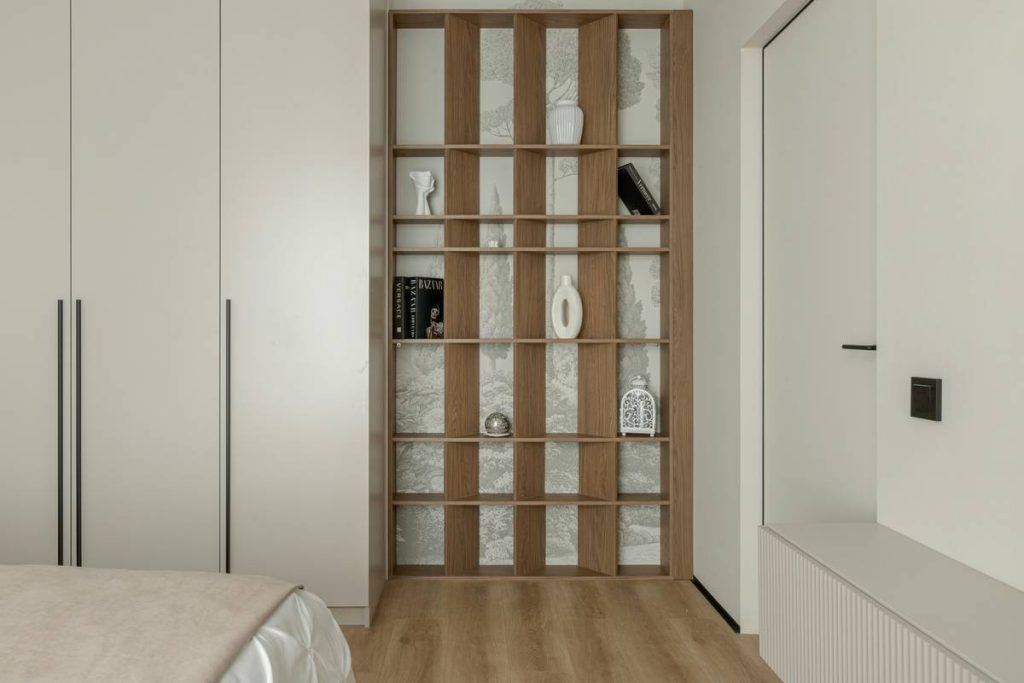
You’ve got beautiful containers—vintage tins, artisanal boxes, sleek acrylic cases—but they’re buried in cabinets or stacked haphazardly on shelves. It feels wasteful. Like hiding art in a closet. And honestly? Most “display” advice online just tells you to “put it on a shelf.” That’s not styling. That’s surrender. Here’s how to display the container so it becomes a focal point—not clutter.
Why Most Container Displays Fail (And Look Like Afterthoughts)
People treat containers as purely functional. Then they get shoved into corners or drowned in decorative chaos. The problem isn’t the container—it’s the lack of intention. A displayed container needs context, contrast, and curation. Without those, it reads as storage overflow, not design.
Think about it: a glass cloche alone on a bare console table sings. The same cloche beside six mismatched candle jars? Noise.
How to Display the Container: A Tactical Framework
Forget random placement. Follow this hierarchy: location → grouping → lighting → narrative. Each step builds visual authority.
Select the Right Location Based on Traffic Flow
High-traffic zones demand minimalism. Entryways? Use one bold container as a statement piece—maybe a lacquered box holding keys. Low-traffic nooks (like bedroom corners) allow for layered displays: stack two nesting cases with a small sculpture perched atop.
Group Smart, Not Just Big
Odd numbers create rhythm. Three containers—varying heights but unified in material (say, all matte black metal)—feel deliberate. Avoid symmetry unless your space is ultra-modern; even then, break it with texture.
Light It Like a Museum Exhibit
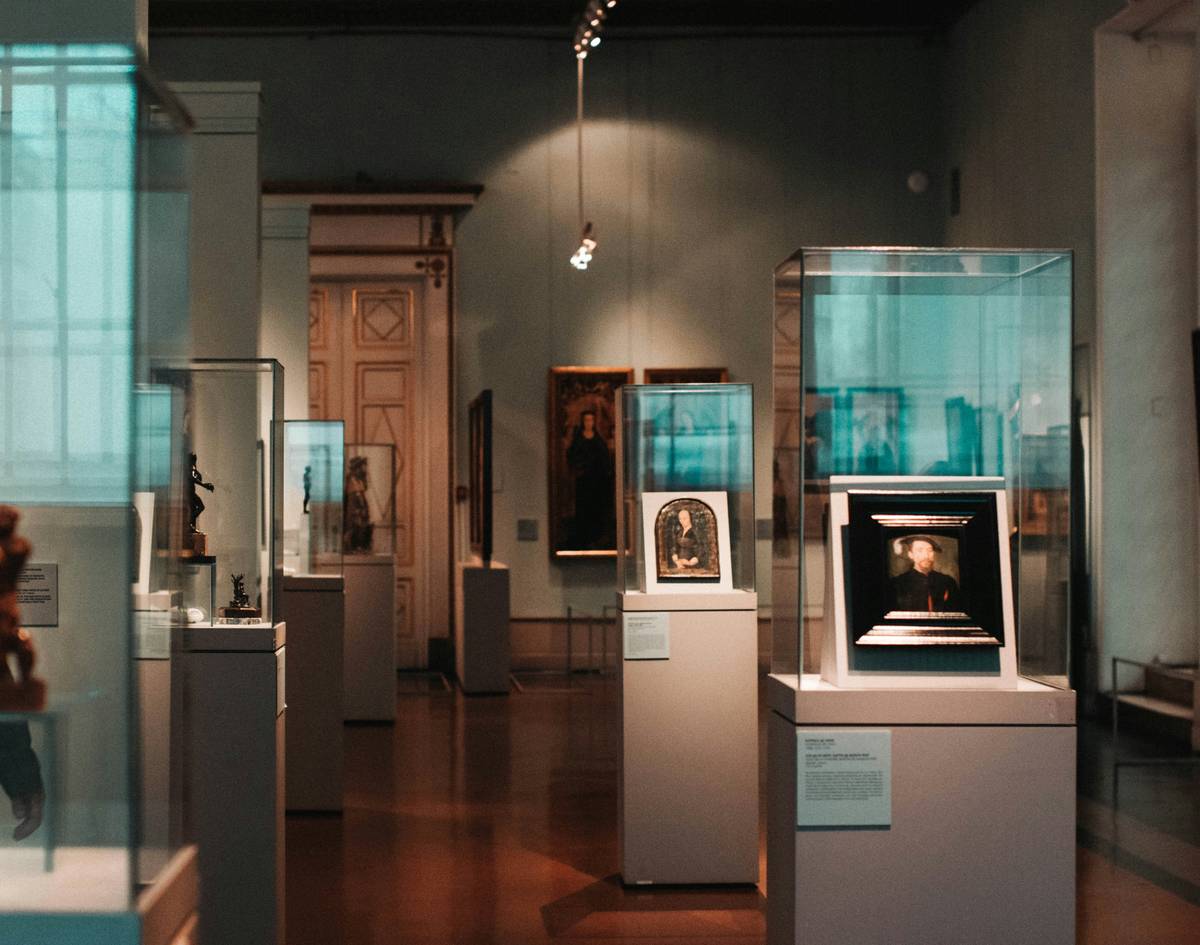
Under-cabinet LEDs or a slender floor spotlight aimed at your case transforms it from “storage” to “artifact.” Warm white (2700K–3000K) adds intimacy. Cool white flattens everything. No exceptions.
Curate What’s Inside—or Leave It Empty
This is where amateurs stumble. Either fill thoughtfully (3–5 items max, tied by color or era) or leave it stark empty to emphasize form. Half-filled containers scream indecision.
| Display Method | Best For | Cost Range | Visual Impact |
|---|---|---|---|
| Wall-Mounted Floating Shelves + Single Case | Small spaces, modern decor | $20–$80 | High (creates vertical interest) |
| Console Table Vignette (3-case cluster) | Entryways, living rooms | $0–$150 (use what you own) | Medium-high (if curated tightly) |
| Dedicated Display Cabinet with Lighting | Heirlooms, collectibles | $150–$600+ | Very high (museum-grade presence) |
| Open Shelving Grid (like IKEA KALLAX) | Eclectic, maximalist styles | $40–$120 | Low-medium (easily becomes chaotic) |

The Industry Secret: Containers Should Tell a Micro-Story
Here’s what top home stylists won’t tell you: your container isn’t decor—it’s a narrative device. A Moroccan brass box on a Scandinavian sideboard whispers “global souvenirs.” A clear acrylic case holding vintage dice says “collector’s pride.” The object inside matters less than the story it implies.
But—and this is critical—your story must align with your actual life. Don’t display seashells if you hate the beach. Authenticity reads louder than aesthetics. People feel the dissonance, even subconsciously.
FAQ: Quick Answers to Real Questions
What’s the easiest way to display a container without making a mess?
Pick one container that matches your room’s dominant material (wood, ceramic, metal). Place it alone on a surface with breathing room—no other items within 6 inches.
Can I display an empty container?
Absolutely. Empty containers with strong geometry (cylinders, hexagons, asymmetrical shapes) act as sculptural objects. Just ensure dust doesn’t accumulate—emptiness highlights neglect fast.
How do I choose what goes inside a display case?
Limit to three items sharing a thread: same color family, era (e.g., 1970s), or function (writing tools). If it doesn’t spark joy or memory, it doesn’t belong.