You’ve got drawers full of tiny treasures—ticket stubs, baby shoes, handwritten letters—but they’re buried under junk mail and expired coupons. Forgotten. Wasted emotional energy. The solution isn’t another plastic bin. It’s a curated display that turns memory into art: a keepsake case anthropologie style.
The Forgotten Truth About Memory Preservation
Most people think “preserving memories” means sticking photos in albums or shoving heirlooms in attics. Big mistake. Out of sight = out of heart. And humidity, light, and dust quietly destroy paper, fabric, even metal over time. A velvet-lined box tucked away? It’s not protection—it’s slow erasure.
Anthropologie-style keepsake cases work differently. They merge museum-grade display with soulful design. But here’s what no one tells you: the aesthetics aren’t just pretty—they’re functional psychology.
How to Build a Keepsake Case That Actually Honors Your Past
Selecting the Right Display Format
Shadow boxes? Glass domes? Wall-mounted vitrines? Your choice depends on both object type and emotional weight. Delicate lace gloves need UV-filtered glass. Childhood drawings thrive behind acrylic with matte backing. Don’t default to wood just because it “looks vintage.” Function drives form—not the other way around.
Lighting & Placement Strategy
Natural light fades ink within months. LED strips inside the case? Risky if poorly shielded. Best practice: indirect ambient light + museum-grade UV film on the glass. Hang opposite north-facing windows—not beside them. And never place above radiators or near AC vents. Temperature swings crack adhesives and warp frames.
Personalization Without Clutter
Less is more. One meaningful item per case creates focus. Two if they tell a connected story. Three? You’ve crossed into souvenir-shop territory. Etch a short phrase (“Summer ‘09 – Cape Cod”) discreetly along the inner lip—not across the front glass. Subtlety preserves dignity.
| Display Method | Avg. Cost | UV Protection | Ideal For |
|---|---|---|---|
| Custom Shadow Box (Wood Frame) | $85–$220 | Medium (with added film) | Flat items: letters, postcards, medals |
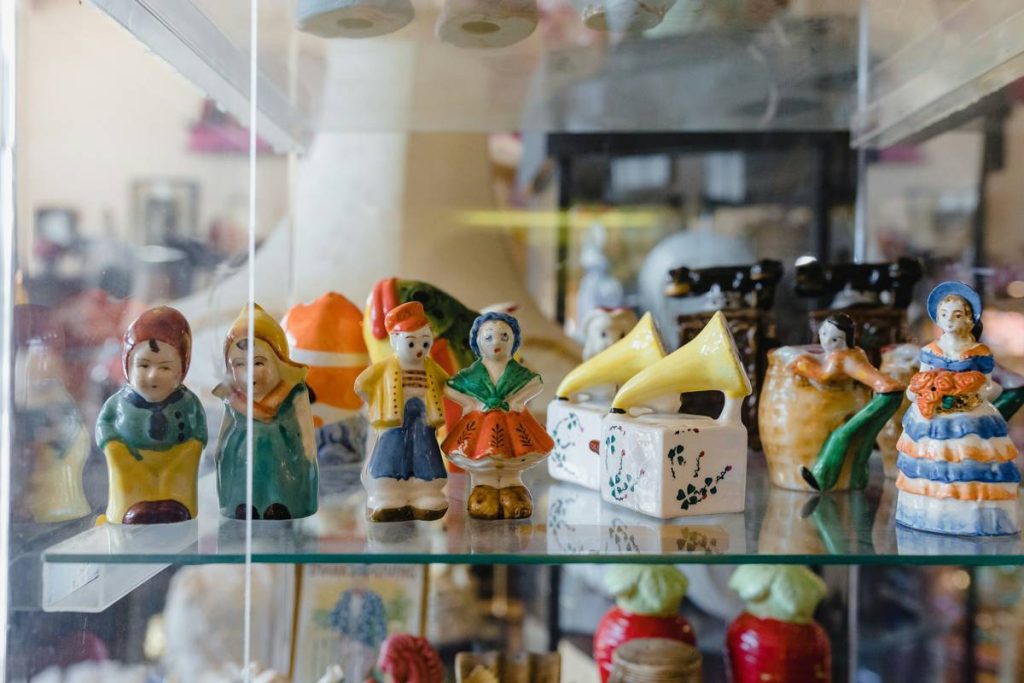
| Glass Domes (Metal Base) | $45–$130 | Low | 3D objects: baby shoes, small figurines |
| Wall-Mounted Vitrine (Sealed) | $150–$400 | High (built-in filter) | Heirlooms: wedding veils, antique watches |
| DIY Acrylic Box | $25–$60 | None (unless upgraded) | Temporary displays or kids’ art rotations |
The Industry Secret: Emotional Curation > Physical Storage
Here’s the reality most home-decor brands won’t admit: people don’t buy display cases for their homes—they buy them to stop grieving. A keepsake case anthropologie aesthetic works because it ritualizes memory. It says: this mattered enough to be seen every day. Not hidden. Not lost.
Professional curators at small museums use rotation schedules—swapping items seasonally to keep emotional resonance fresh. Try it at home. Every solstice, open your case. Add something new. Retire something healed. Memory preservation isn’t static—it’s living storytelling.
Frequently Asked Questions
Where can I buy an authentic Anthropologie keepsake case?
Anthropologie no longer sells their original shadow boxes, but third-party makers on Etsy replicate the style using archival materials. Always verify UV protection specs before purchasing.
Can I make my own keepsake display case affordably?
Yes—start with an IKEA Ribba frame (deep version), add acid-free mat board, and seal seams with conservation tape. Total cost under $35. Skip glue; use photo corners instead.
Do keepsake cases really protect against yellowing?
Only if they block UV light and control humidity. Standard glass won’t cut it. Look for cases labeled “museum grade” or add anti-UV film yourself—it’s a $12 fix that doubles artifact life.