You’ve got Grandma’s pocket watch. Your kid’s first scribbled drawing. A shell from your honeymoon beach. But they’re stuffed in drawers, fading in shoeboxes, or gathering dust on shelves. Every day they sit unprotected is a day closer to being lost forever. The solution isn’t another plastic bin—it’s a purpose-built keepsake display case that honors memory while defending it.
The Hidden Flaw in “Displaying” Memories
Most people think slapping an old photo behind glass equals preservation. Wrong. UV rays penetrate standard glass. Humidity creeps through unsealed frames. Acidic backing boards yellow paper in months—not years. And let’s be honest: cluttered shadow boxes look like storage spills, not tributes.
A true keepsake display case does two things at once: protects and elevates. If it doesn’t actively shield from light, moisture, and physical contact, it’s just decor—not preservation.
How to Build (or Buy) a Keepsake Display Case That Actually Works
Forget one-size-fits-all frames. Effective memory preservation demands control over environment, materials, and visibility. Here’s how pros do it:
Select Archival-Grade Materials Only
Use UV-filtering acrylic instead of glass—it’s lighter, safer, and blocks 99% of harmful rays. Backing must be acid-free and lignin-free. Mounting corners? Tyvek or Japanese tissue paper. No glue directly on artifacts.
Control the Microclimate
Seal the case with gaskets or magnetic closures. Add silica gel packs (replace quarterly) to absorb humidity spikes. For textiles or organic items, consider oxygen absorbers—but never mix them with silica in the same chamber.
Design for Rotation, Not Permanence
Rotate items every 6–12 months. Light exposure—even filtered—is cumulative. Keep duplicates or digital scans so you can swap originals into dark storage without losing the visual story.
| Method | Cost Range | Protection Level | Lifespan (Artifact) |
|---|---|---|---|
| DIY Frame + Store-Bought Glass | $15–$40 | Low (UV passes, no seal) | 1–3 years |
| Custom Keepsake Display Case (Archival) | $120–$350 | High (UV-filtering, sealed, acid-free) | 20+ years |
| Museum-Grade Display Enclosure | $500+ | Extreme (climate-monitored, inert gases) | Indefinite |
The Industry Secret: Museums Don’t “Display”—They Rotate
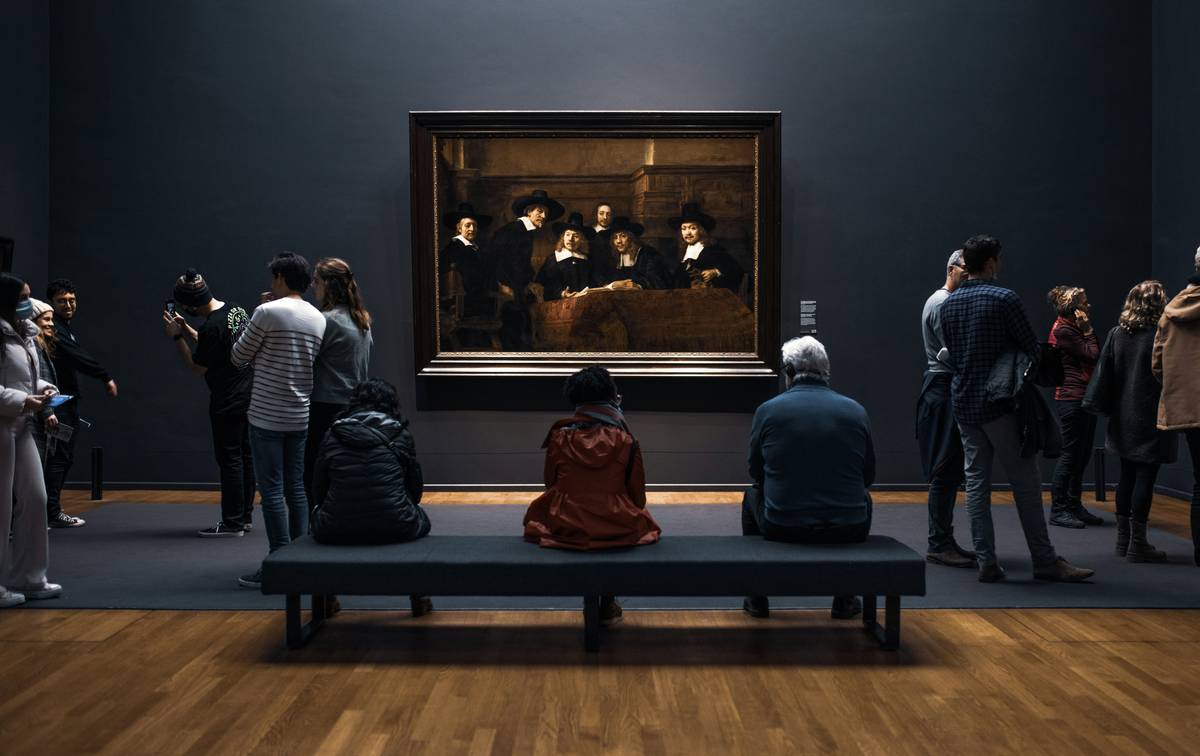
Here’s what curators won’t tell you publicly: nothing stays on view forever. The Louvre rotates its drawings every 90 days. Why? Because light damage is irreversible—and invisible until it’s too late. Yet we expect our home keepsakes to survive decades under constant exposure. The fix? Build your display case with interchangeable panels or modular inserts. Store half your collection in acid-free boxes in a cool closet. Swap them seasonally. Not only does this extend life dramatically—it keeps your wall feeling fresh, personal, and intentional. And honestly? That rotating ritual becomes part of the memory itself.
Frequently Asked Questions
Can I use a regular picture frame as a keepsake display case?
Only if you upgrade the glass to UV-filtering acrylic and replace the backing with acid-free board. Most off-the-shelf frames accelerate deterioration.
How often should I replace silica gel in my keepsake display case?
Every 3 months—or immediately if the indicator beads turn pink. Humidity control is useless with saturated desiccants.
Are keepsake display cases worth the cost?
If the item can’t be replaced—yes. A $200 case protects a lifetime of meaning. Compare that to the emotional cost of loss.