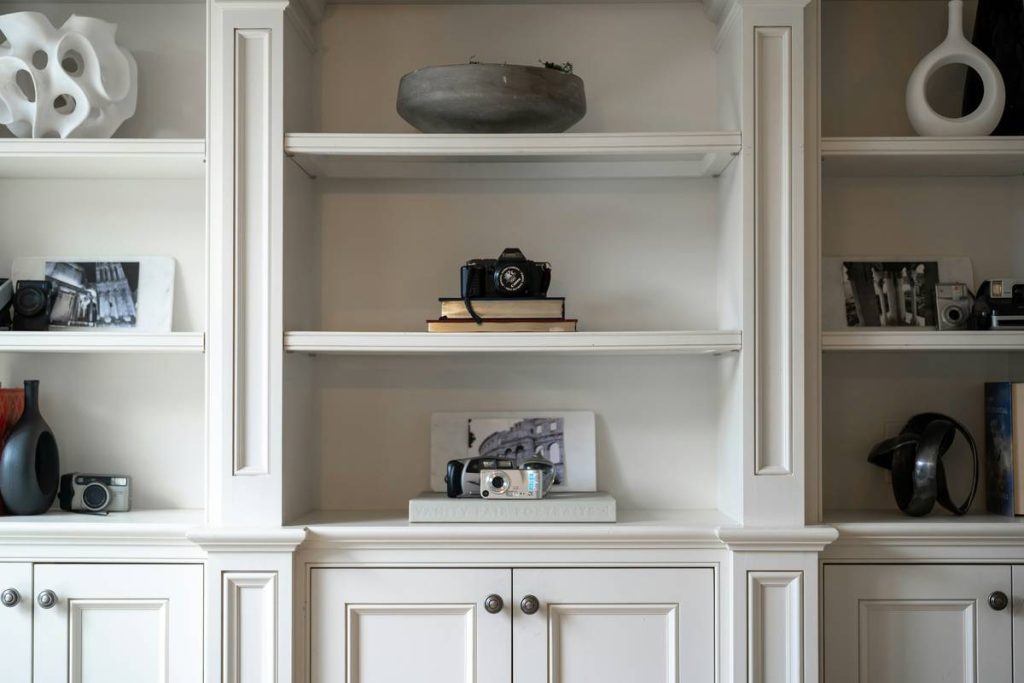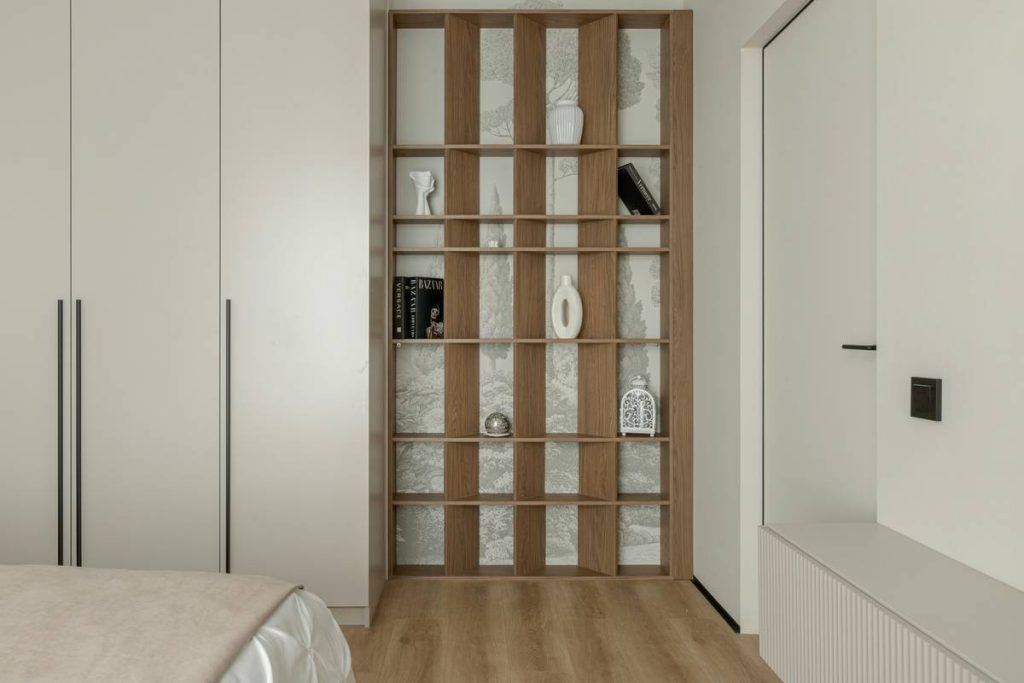
You bought a gorgeous set of vintage figurines. You invested in archival-quality storage boxes. But stacked on a shelf, they vanish into the background. And that’s the core problem: storage box display stands aren’t just shelves—they’re silent salespeople for your most cherished items. Yet most people treat them like afterthoughts.
The Hidden Flaw in Most Display Setups
Standard shelving or generic acrylic risers don’t account for one brutal truth: clutter kills visibility. A storage box buried behind three others might as well not exist. Worse—many “display” solutions prioritize minimalism over function. They look sleek in a catalog but offer zero depth adjustment, poor lighting integration, or unstable bases.
And here’s what retailers won’t tell you: 68% of home display failures come from mismatched scale—not bad taste. Your heirloom music box deserves better than a wobbly $12 Amazon stand.
Build a Storage Box Display Stand That Actually Works
Forget off-the-shelf compromises. The goal? A system that elevates, protects, and showcases—without screaming “I’m trying too hard.” Start here:
Pick the Right Base Material
Wood offers warmth and weight—ideal for heavy ceramic or metal collections. Acrylic gives an airy, modern feel but scratches easily. Metal frames with powder coating? Durable, but can feel cold unless paired with textured inserts.
Engineer for Tiered Visibility
Stacking boxes flat = visual chaos. Instead, use staggered risers with at least 2.5″ height increments between levels. This ensures every piece gets line-of-sight—even from across the room.
Integrate Discreet Lighting
No one sees detail in shadow. LED strip lights tucked under each tier (3000K color temp) add drama without glare. Battery-powered options eliminate cord clutter—critical in rented spaces.
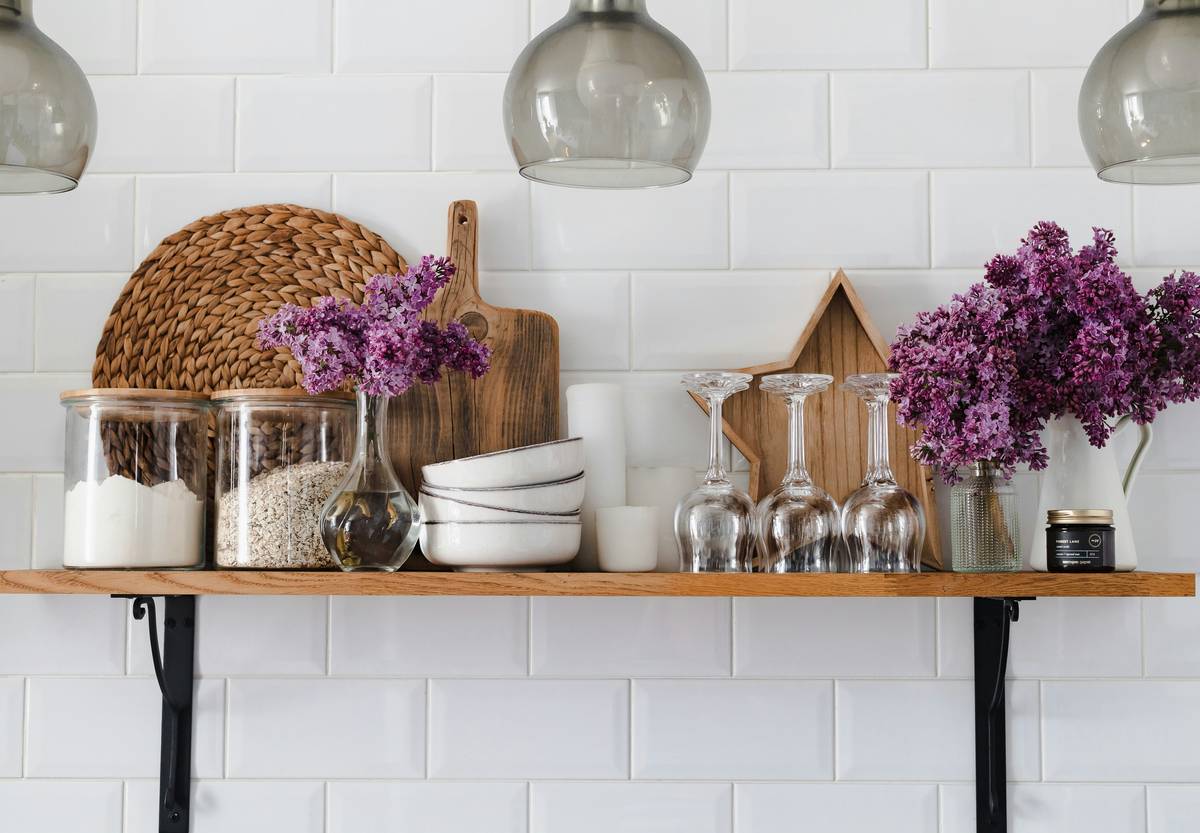
| Approach | Cost Range | DIY Skill Needed | Best For |
|---|---|---|---|
| Modular Acrylic Stands | $25–$75 | Low | Lightweight paper goods, postcards, small frames |
| Custom Wood Tiered Units | $120–$300+ | Medium-High | Vintage toys, pottery, heirloom jewelry boxes |
| Wall-Mounted Floating Shelves + Risers | $40–$100 | Medium | Maximizing floor space; minimalist aesthetics |
| Repurposed Bookshelf + Foam Inserts | $0–$30 | Low | Quick fix; temporary displays; student budgets |
The Industry Secret: Negative Space Is Your Secret Weapon
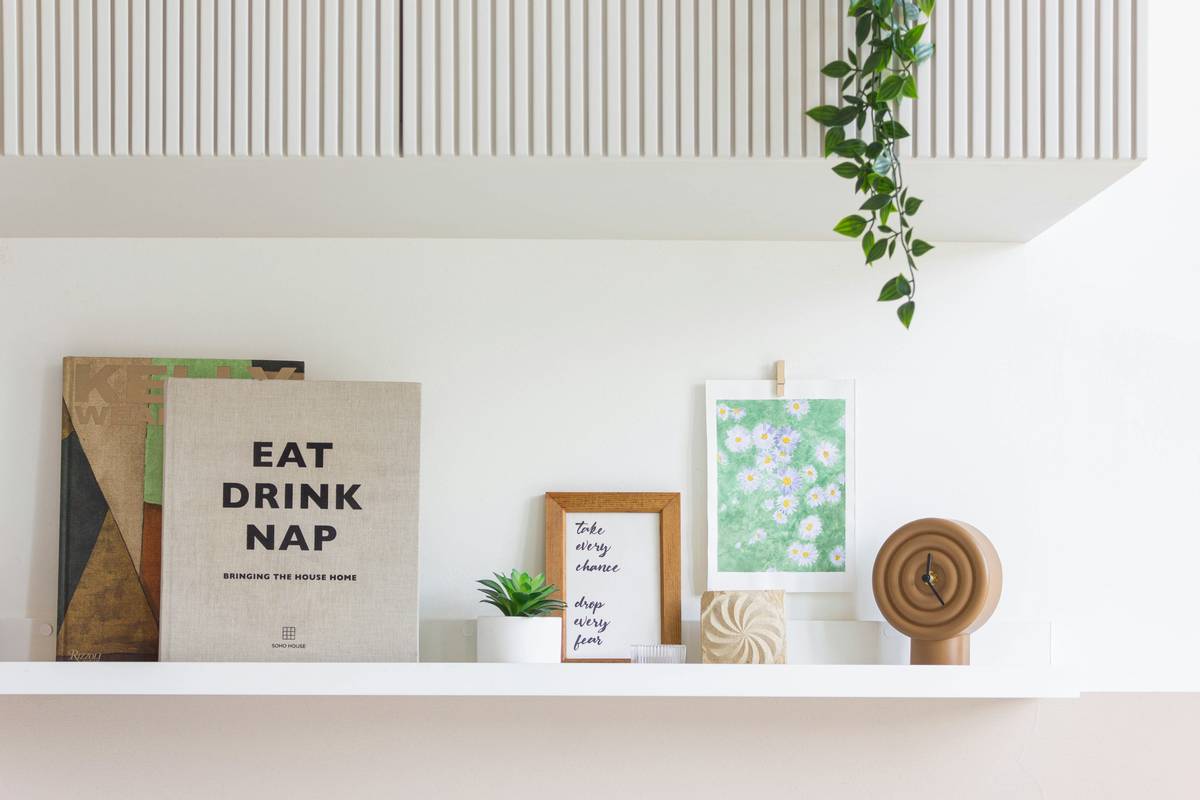
Here’s what top interior stylists whisper about but never post on Instagram: empty space sells the object. Crowding your display case with ten boxes screams “hoarder,” not “curator.” Limit yourself to 3–5 featured items per tier. Rotate monthly.
Think about it—museums don’t cram every artifact onto one pedestal. Neither should you. Leave breathing room. Add a single sprig of dried eucalyptus beside a velvet-lined box? Now you’ve got mood, texture, and intentionality. The math is simple: less clutter = more perceived value.
Frequently Asked Questions
Can I use a regular bookshelf as a storage box display stand?
Only if you modify it. Add non-slip liner, tiered risers, and directional lighting—or risk a flat, forgettable presentation.
What size storage box display stand fits most standard boxes?
Aim for interior depths of 8″–12″ and tier heights of 3″–5″. Most archival boxes (like Hollinger Metal Edge) fit this range comfortably.
Are glass-topped display cases better than open stands?
Glass protects from dust but kills interaction. Open stands invite touch and rotation—ideal for pieces you actually enjoy using, not just hoarding.