You bought sleek storage bins. You arranged them neatly. Yet your shelves still look cluttered, chaotic, and cheap. Why? Because you treated bins as mere containers—not as design elements. The fix isn’t about buying more. It’s about curating with intention. A true storage bin display merges utility and aesthetics so seamlessly, guests ask where you got your “decor,” not your “organizers.”
Most Storage Bins Kill Your Room’s Vibe
Let’s be honest: most “decorative” bins are anything but. They’re flimsy plastic masquerading as woven rattan. Or worse—labeled with cartoonish fonts that scream “dorm room.” And stacking mismatched sizes? That’s not organization. It’s visual noise.
Homeowners assume visibility equals order. But uncurated transparency backfires. Think glass-front cabinets stuffed with mismatched mugs. The problem isn’t the items—it’s the lack of cohesion.
Build a Storage Bin Display That Actually Elevates Your Space
Forget generic organizing advice. This is about creating rhythm, texture, and negative space. Here’s how:
Choose Uniformity Over Variety
Pick one material—matte acrylic, linen-wrapped cardboard, powder-coated metal. Not three. Stick to two complementary colors max. Monochromatic schemes with tonal shifts (e.g., oatmeal + taupe) read as sophisticated. Rainbow bins? Instant discount-bin energy.
Size Strategically, Not Randomly
Use the golden ratio: group bins in 1:1.6 proportions. A tall narrow bin beside a wide shallow one creates dynamic balance. Avoid identical cubes lined up like soldiers—they flatten depth and feel institutional.
Label Only When Necessary
Labels aren’t inherently bad—but only if they’re part of the design language. Hand-stamped leather tags? Yes. Generic white stickers? No. Better yet: eliminate labels entirely by assigning zones (e.g., all top-shelf bins = kids’ art supplies).
| Bin Type | Aesthetic Impact | Durability | Price Range (per unit) |
|---|---|---|---|
| Powder-Coated Metal | High—modern, clean lines | Excellent (dent-resistant) | $22–$45 |
| Linen-Wrapped Cardboard | Medium—soft texture, warm feel | Fair (crushes under weight) | $14–$28 |
| Clear Acrylic | Low—unless contents are curated | Good (scratches easily) | $18–$36 |
| Bamboo Weave | High—organic, artisanal | Moderate (warps in humidity) | $20–$40 |
The Industry Secret: Hide the “Storage” Part Entirely
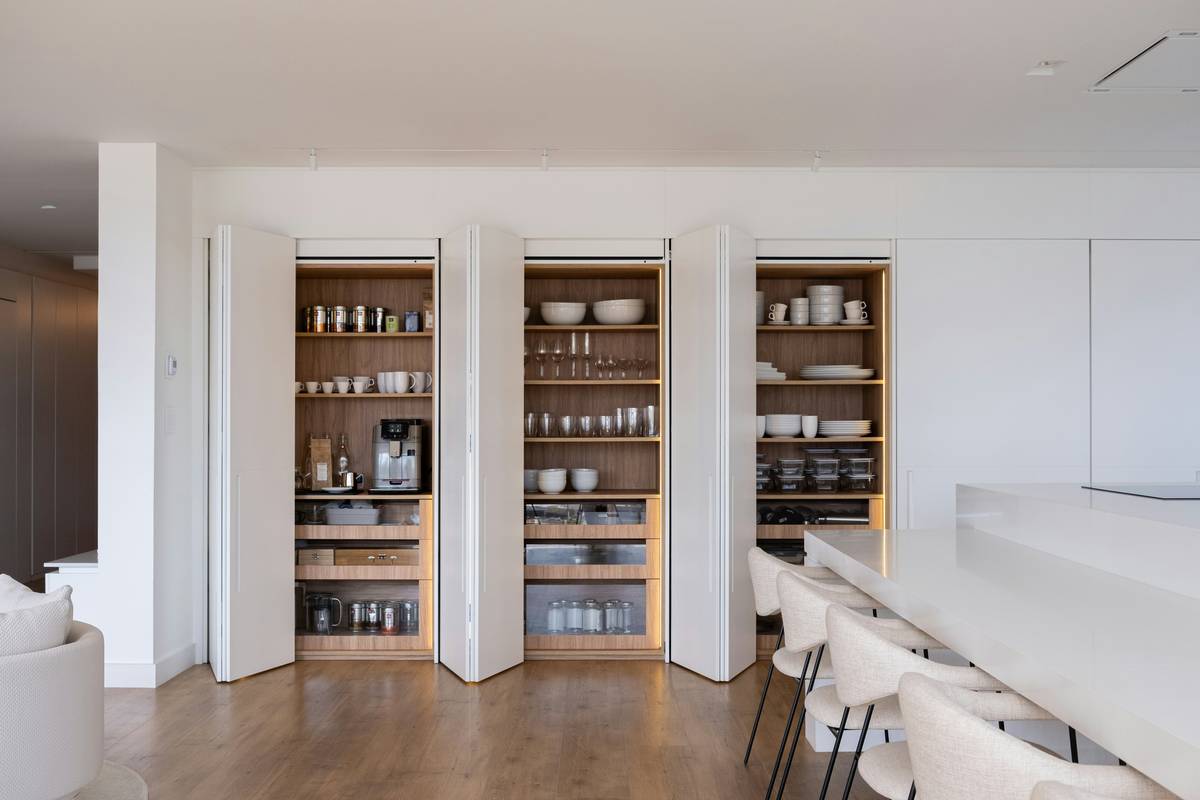
Top interior stylists don’t sell bins. They sell illusion. The real trick? Use bins as architectural elements—not just holders. Mount shallow bins vertically like floating shelves. Paint them to match your wall—so they disappear until needed. Or rotate seasonal items inside opaque bins, then swap covers like pillowcases. One designer I worked with lines her client’s pantry bins with removable fabric sleeves—changed monthly to match kitchen linens. No one sees it as storage. They see it as styling.
And here’s what retailers won’t tell you: the more “functional” a bin looks, the less likely people are to use it properly. Make it beautiful first—function follows desire.
FAQ
How do I make plastic storage bins look expensive?
Paint them with matte mineral-based paint, add brass corner protectors, and never leave lids off. Uniformity beats material every time.
Can I mix open and closed storage bins in one display?
Yes—but limit open bins to 30% of the total. They should showcase only your most visually appealing items (stacked books, folded blankets).
What’s the best place for a storage bin display?
Entryways, media consoles, and kitchen pantries. Avoid bedrooms—too much visual structure kills relaxation.